
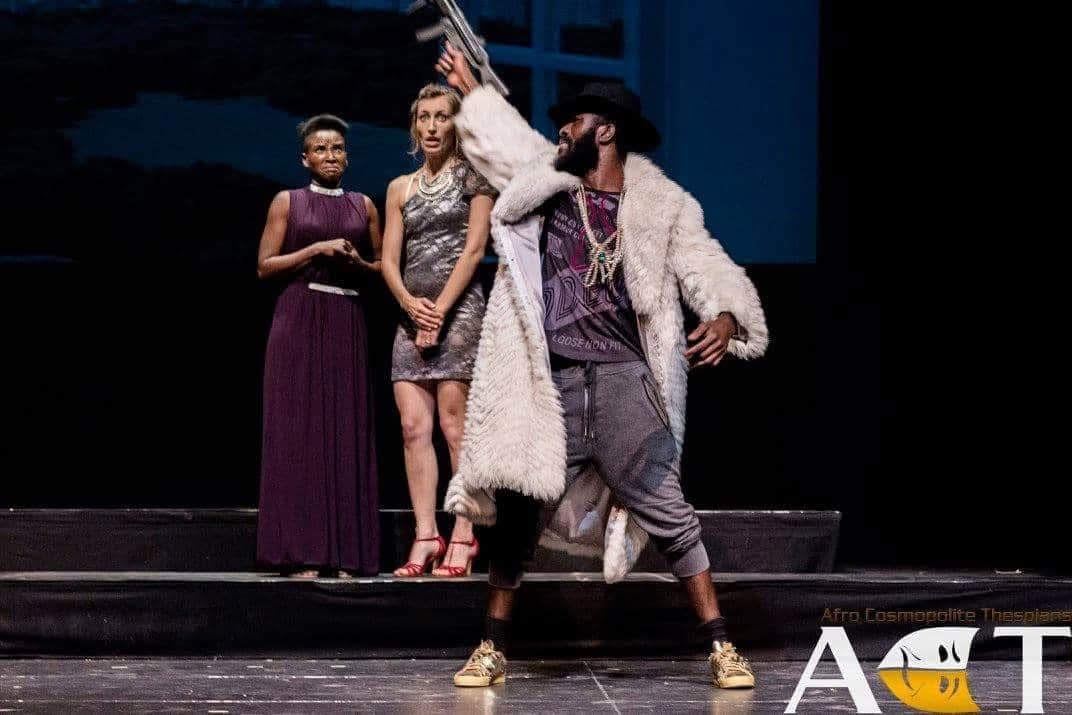
Prince of Morocco
“Must give! For what? For lead? Hazard for lead?”
“As much as he deserves! Hmm…Pause there, MOROCC,”
“As much as I deserve! Why, that’s the lady:”
“O hell! what have we here?”
“Then, farewell, heat, and welcome, frost!”
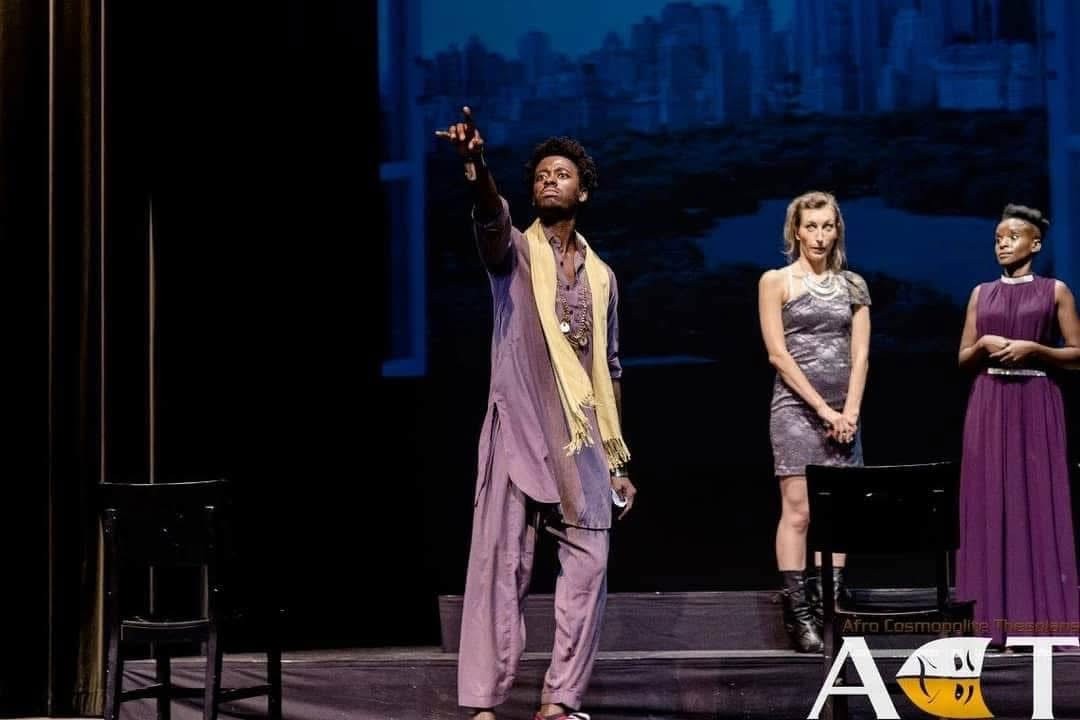
Casket. Bond. Court.
ACT’s 2016 debut at Baltoppen LIVE staged Shakespeare not as museum Venice, but as a contemporary chamber of status, risk, desire, theatrical swagger, and public reckoning.
In this sleek reimagining of William Shakespeare’s The Merchant of Venice, George Mungai’s adaptation, The Merchant of Copenhagen, moves faster than trade at Børsen. When Bassanio turns to Antonio for help in winning Portia of Belmont, a desperate loan draws them into the hands of Shylock — a moneylender with a long memory, a golden bicycle, and a bond that demands far more than repayment.
As Portia’s suitors gamble on gold, silver, and lead — from the swaggering Prince of Morocco to the proud Prince of Arragon — wit, desire, and spectacle give way to a deadly contest of law, love, and revenge. In this Copenhagen charged with glamour and menace, every bargain leaves a mark, and every promise comes with a price.
Vanity. Merit. Judgment.
“Must give! For what? For lead? Hazard for lead?”
“As much as he deserves! Hmm…Pause there, MOROCC,”
“As much as I deserve! Why, that’s the lady:”
“O hell! what have we here?”
“Then, farewell, heat, and welcome, frost!”
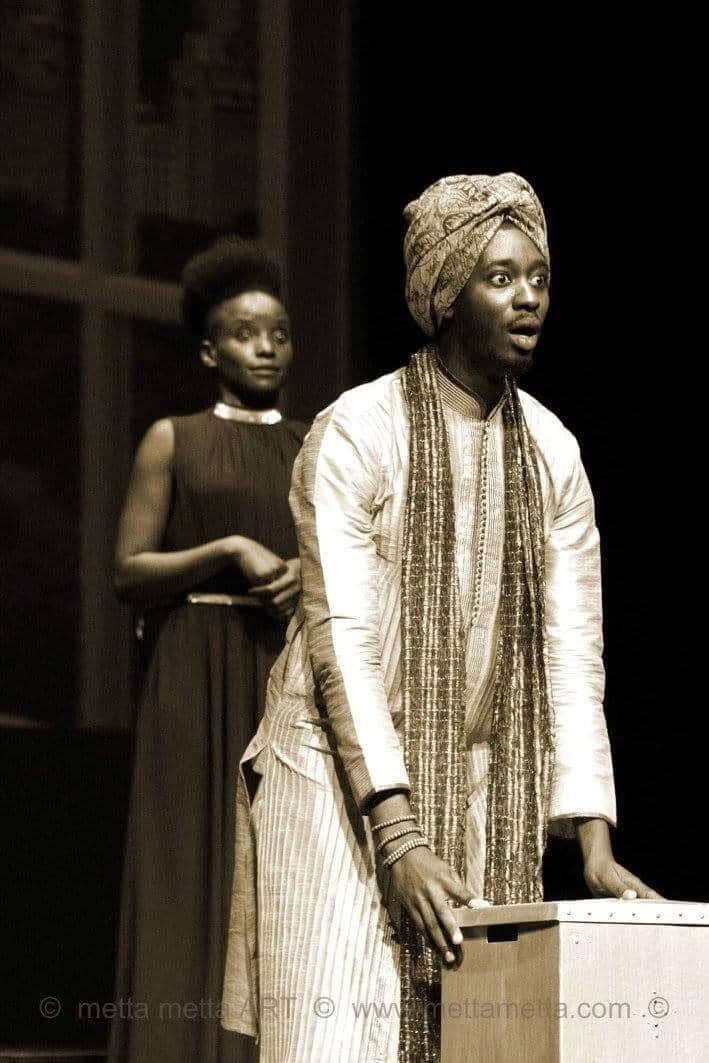
“I will not choose what many men desire,”
“Because I will not jump with common spirits”
“And rank me with the barbarous multitudes.”
“What’s here? the portrait of a blinking idiot,”
“With one fool’s head I came to woo, but I go away with two.”
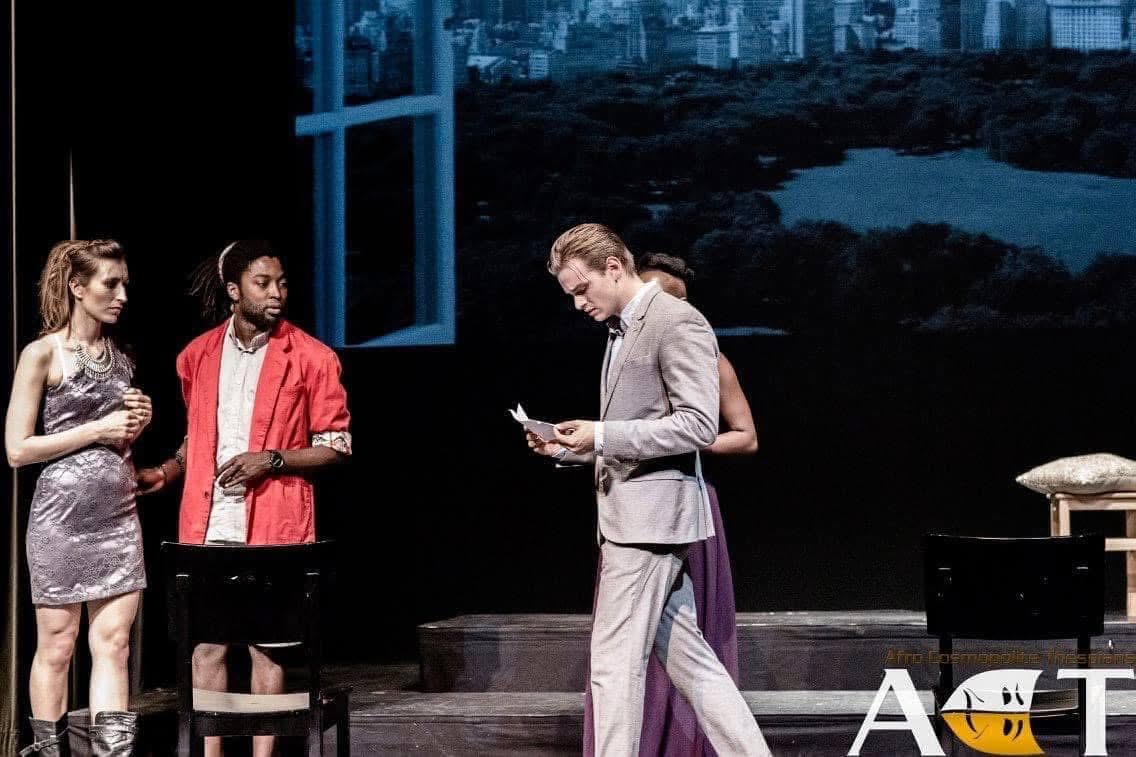
“The world is still deceived with ornament.”
“In law, what plea so tainted and corrupt,”
“Obscures the show of evil?”
“Hard food for Midas, I will none of thee;”
“Thy paleness moves me more than eloquence;”
Calculation. Injury. Contract.
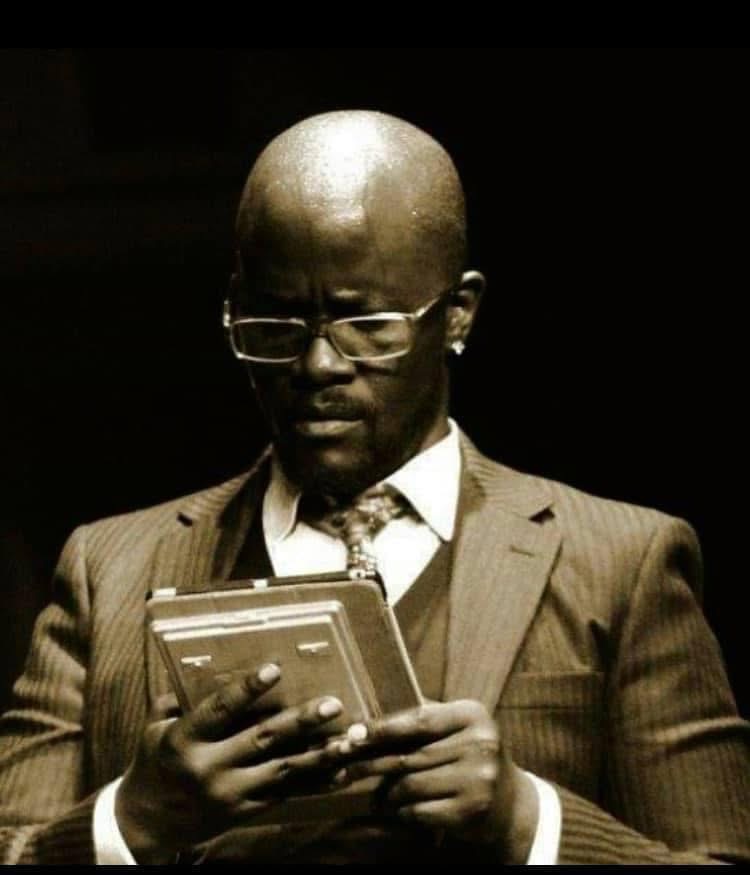
“Three million krøner; ’tis a good round sum.
Three months from twelve; then, let me see; the rate—”
SHYLOCK takes out a large calculator from the basket on his bicycle and starts to calculate…
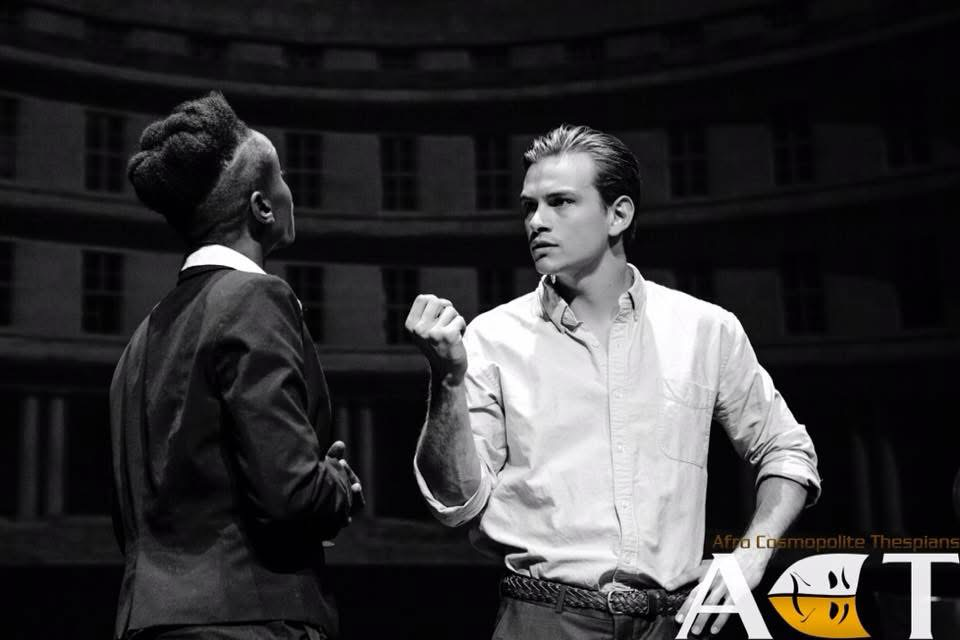
“I am as like to call thee so again,
To spit on thee again, to spurn thee too.
If thou wilt lend this money, lend it not
As to thy friends; for when did friendship take
A breed for barren metal of his friend?”
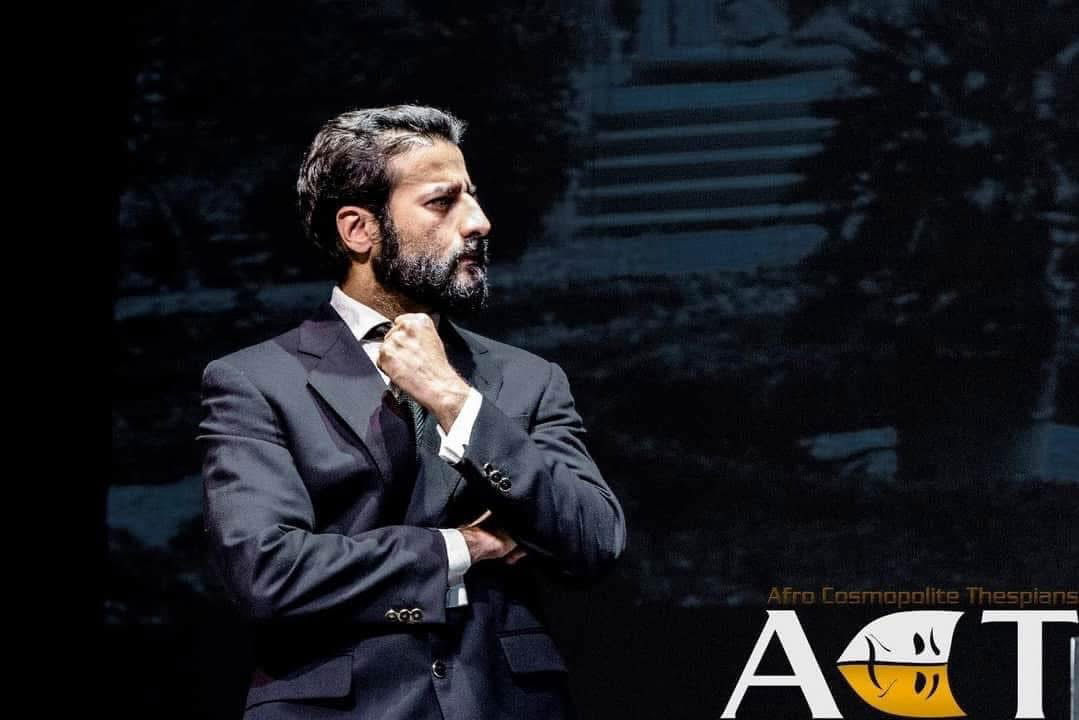
“The duke cannot deny the course of law:
For the commodity that strangers have
With us in Copenhagen, if it be denied,
Will much impeach the justice of his state;
Since that the trade and profit of the city
Consisteth of all nations.”
“These griefs and losses have so bated me,
That I shall hardly spare a pound of flesh
To-morrow to my bloody creditor.”
A public trial broken into plates, accusations, and a marginal comic conscience.
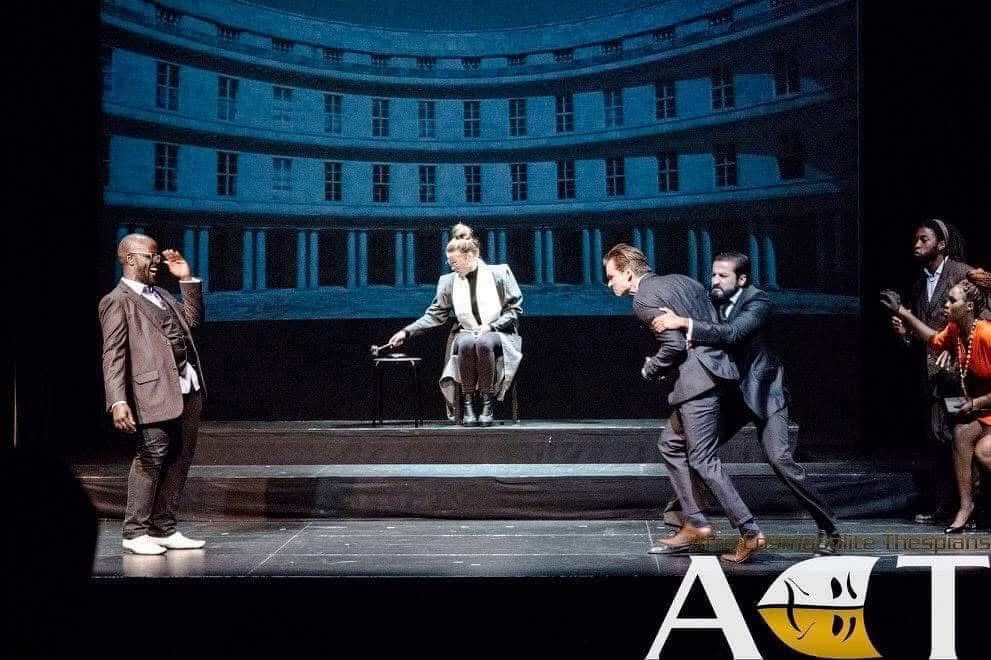
“The pound of flesh, which I demand of him,
Is dearly bought; ’tis mine and I will have it.
If you deny me, fie upon your law!
There is no force in the decrees of Copenhagen.
I stand for judgment: answer; shall I have it?”
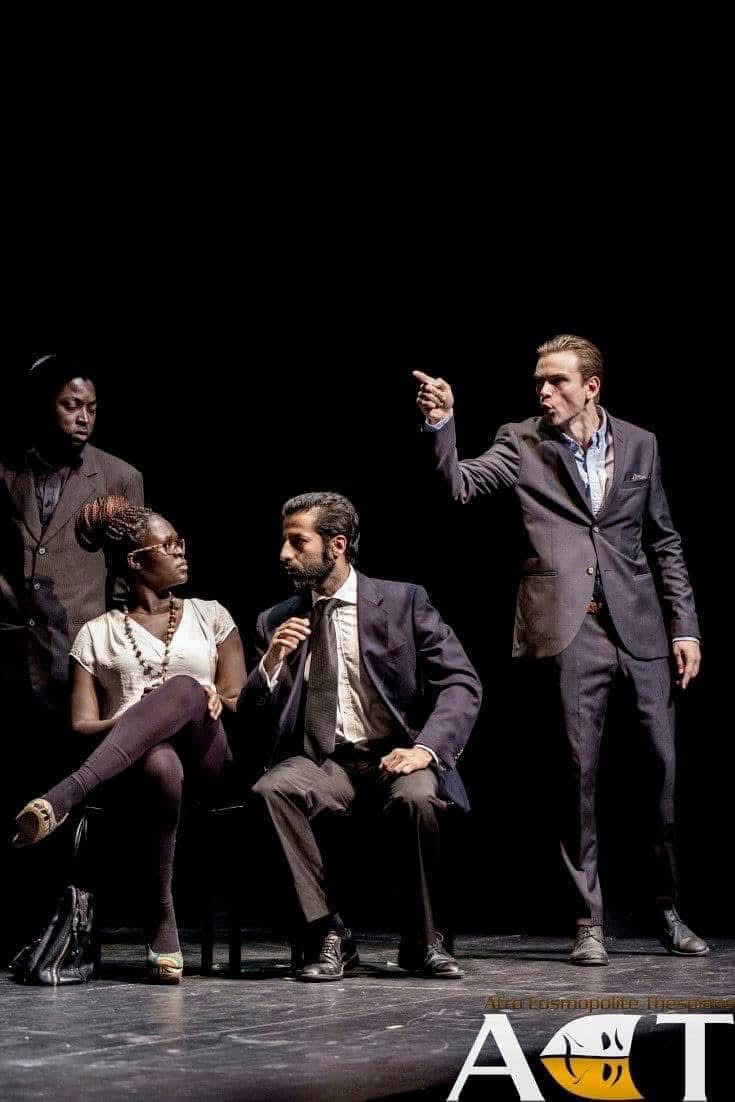
“O, be thou damn'd, inexecrable dog!”
“Till thou canst rail the seal from off my bond,
Thou but offend'st thy lungs to speak so loud:
Repair thy wit, good youth, or it will fall
To cureless ruin. I stand here for law.”
Night music. Flight. Display.
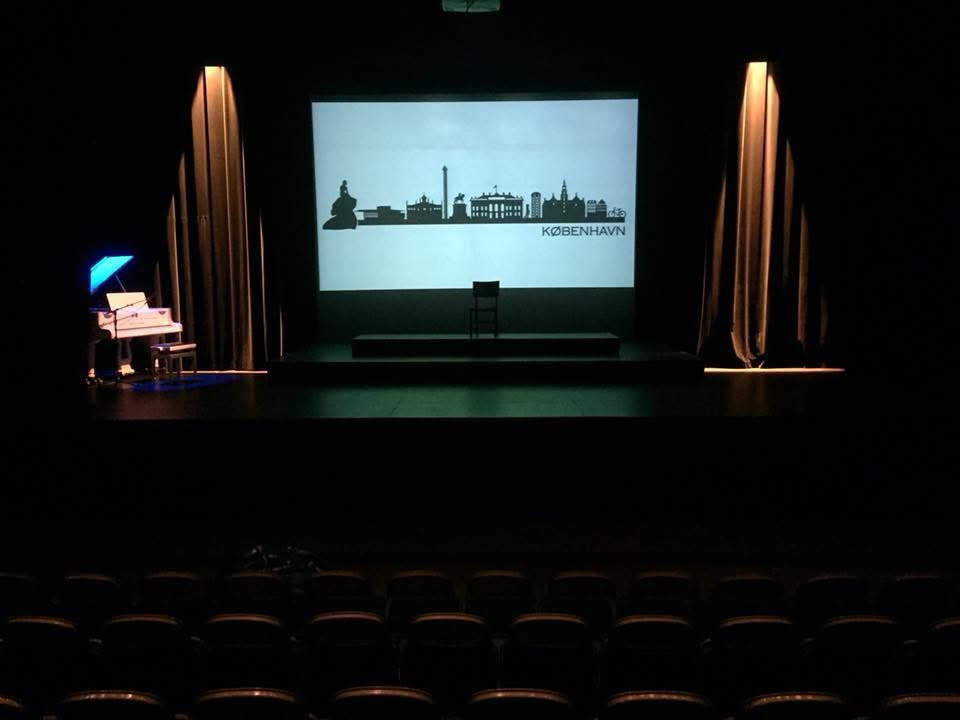
“This night methinks is but the daylight sick;
It looks a little paler: ’tis a day,
Such as the day is when the sun is hid.”
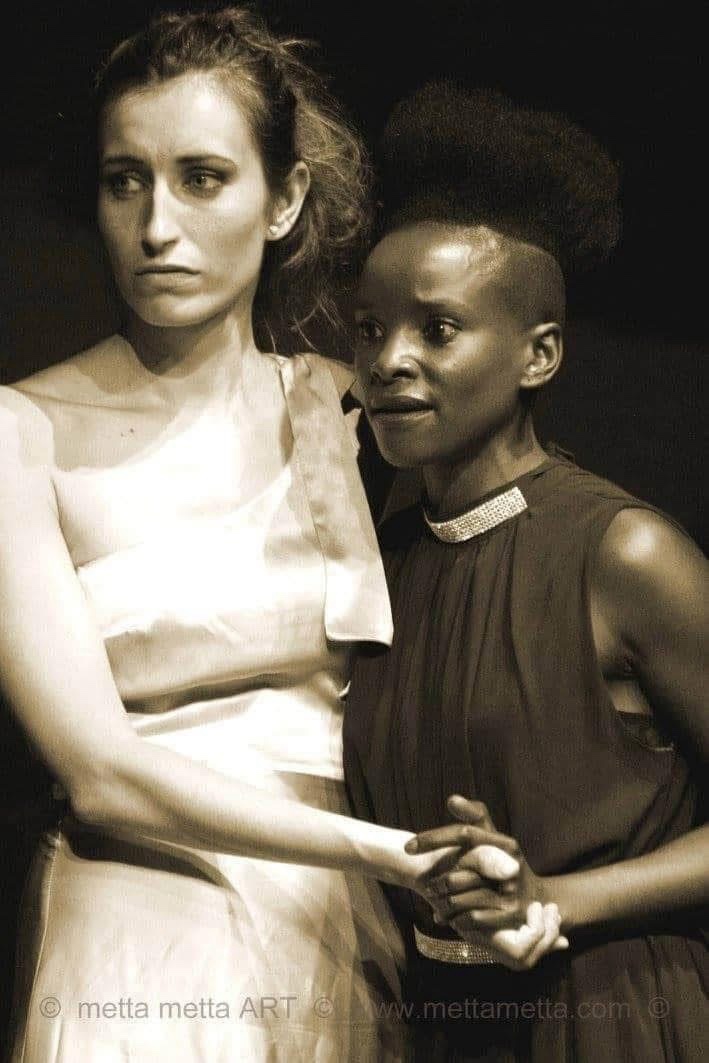
“And therefore, like herself, wise, fair and true,
Shall she be placed in my constant soul.”
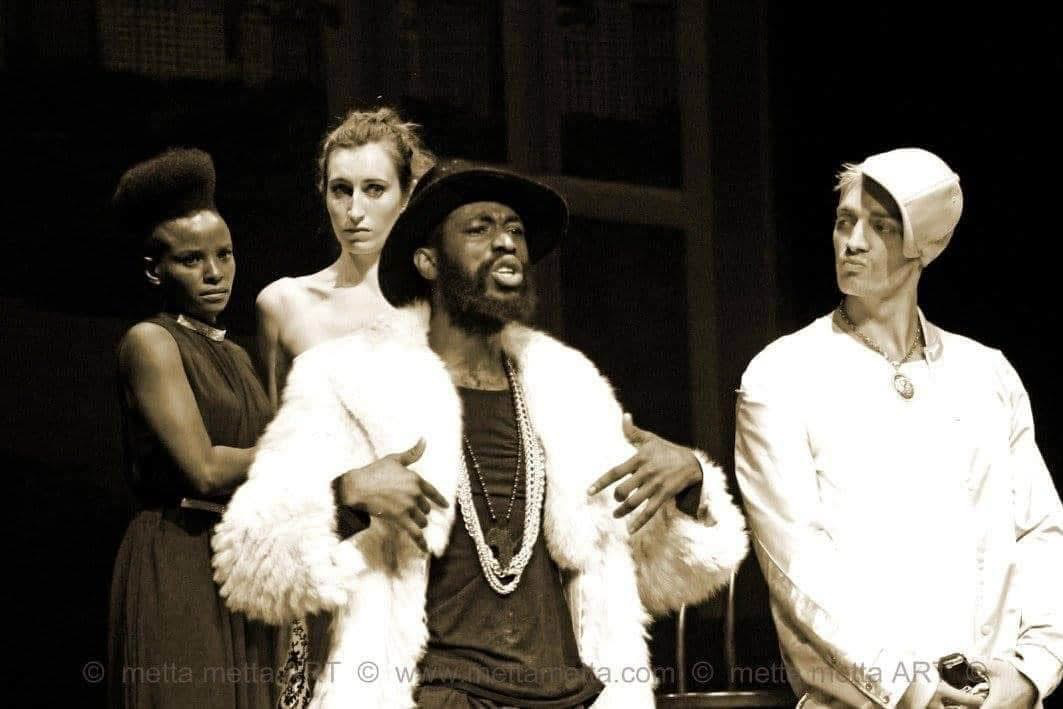
“Now…make your choice.”
“Who chooseth me shall gain what many men desire;”
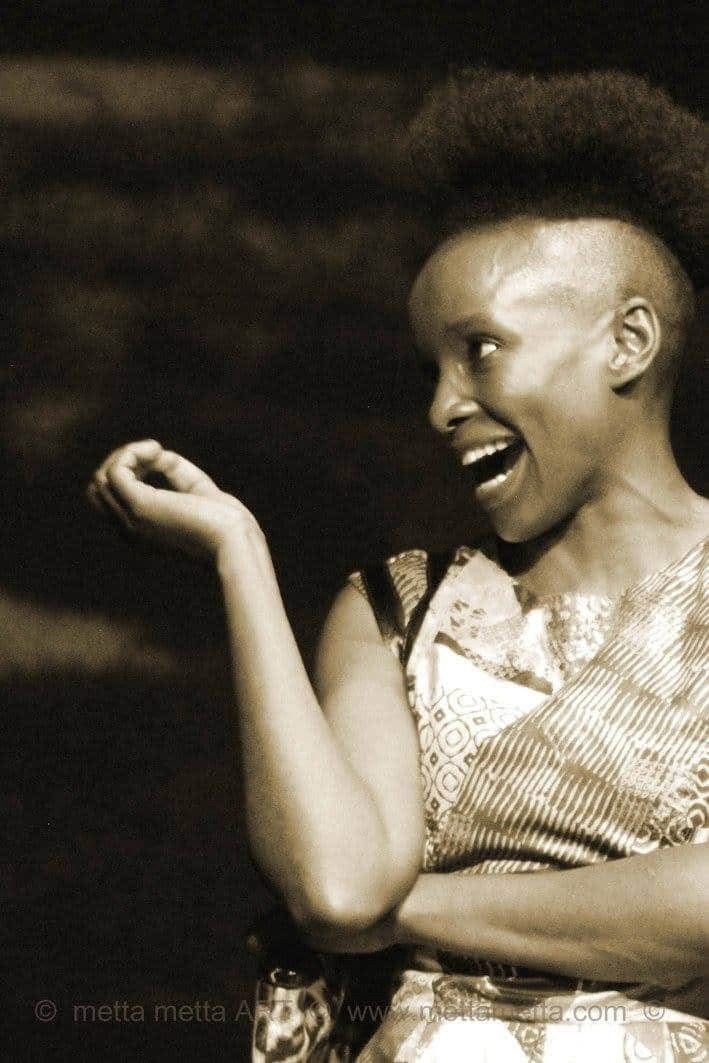
“What, must I hold a candle to my shames?
They in themselves, good-sooth, are too, too light.
Why, ’tis an office of discovery, love; and I should be obscured.”
Company. Applause. Record.
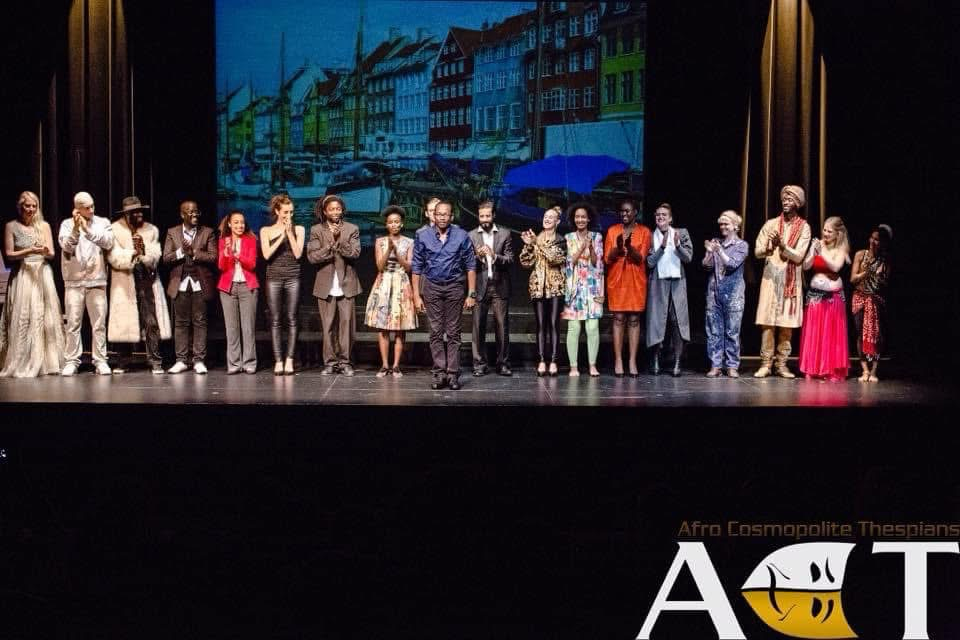
“It is almost morning,
And yet I am sure you are not satisfied
Of these events at full.”
The credits below retain the production record, while the page above offers a tighter curation of the visual archive.