 European Union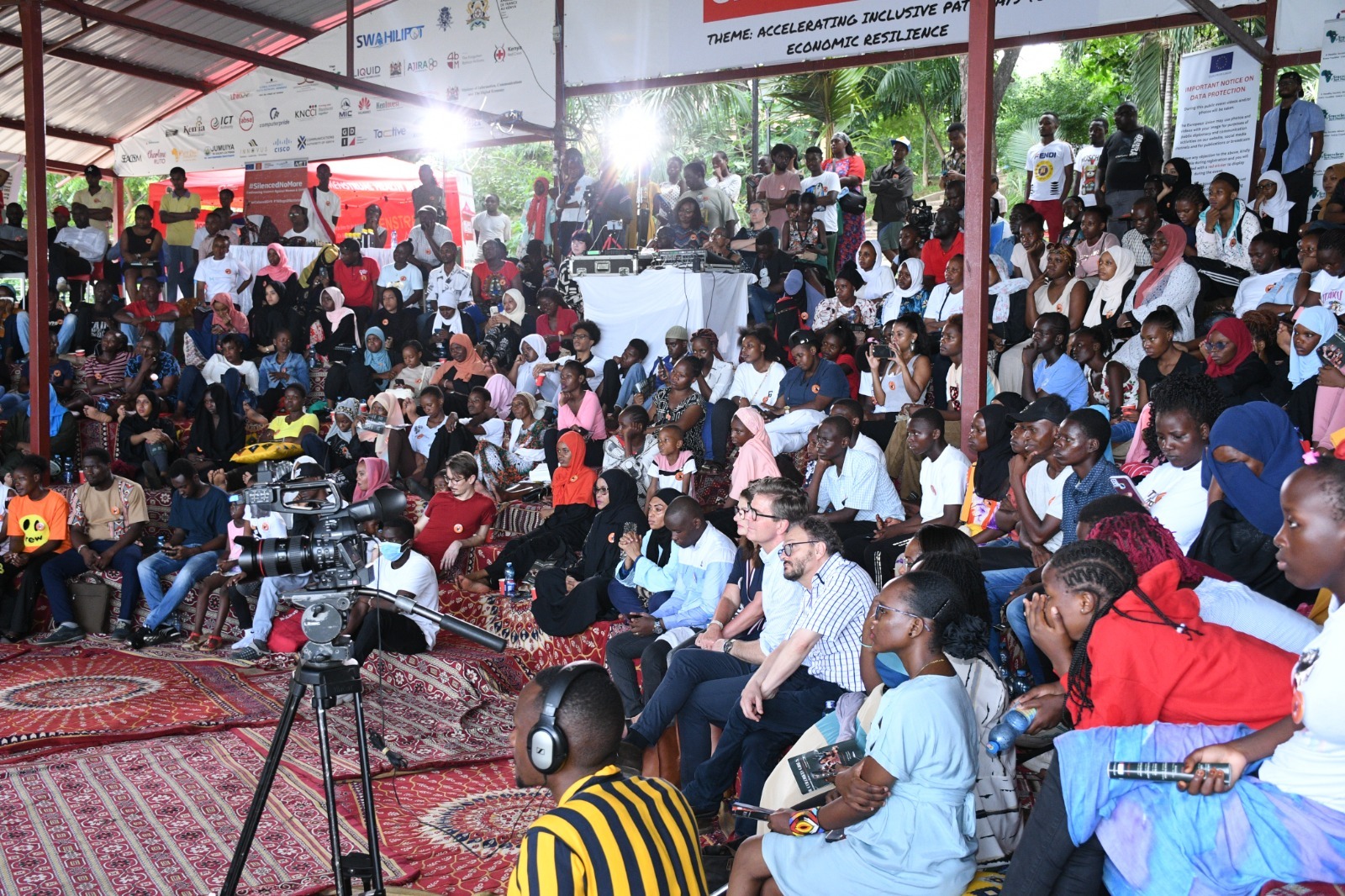
Silenced No More · Project platform
Silenced No More
A transnational theatre and public-dialogue platform addressing sexual and gender-based violence and female genital mutilation in Kenya through performance, debate, youth engagement, and cultural diplomacy.
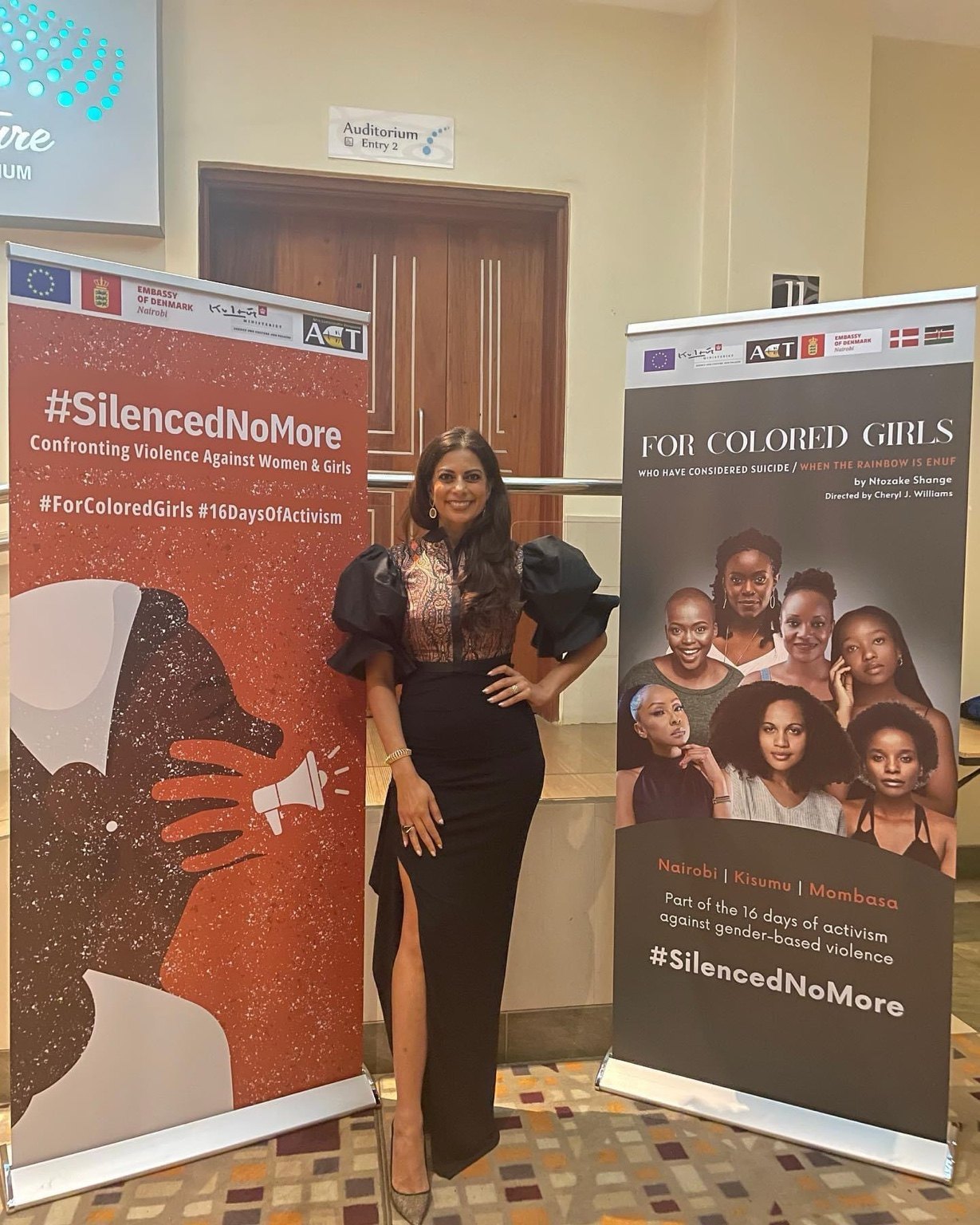
Presented in partnership with the Royal Danish Embassy in Nairobi and the European Union in Kenya, and supported by the Danish Agency for Culture and Palaces, Silenced No More brought theatre, public dialogue, campaign visibility, and cross-border artistic exchange into one civic platform during the 16 Days of Activism against Gender-Based Violence in 2023.
Institutional supportTHE EUROPEAN UNION, THE ROYAL DANISH EMBASSY NAIROBI, AND THE DANISH AGENCY FOR CULTURE AND PALACES
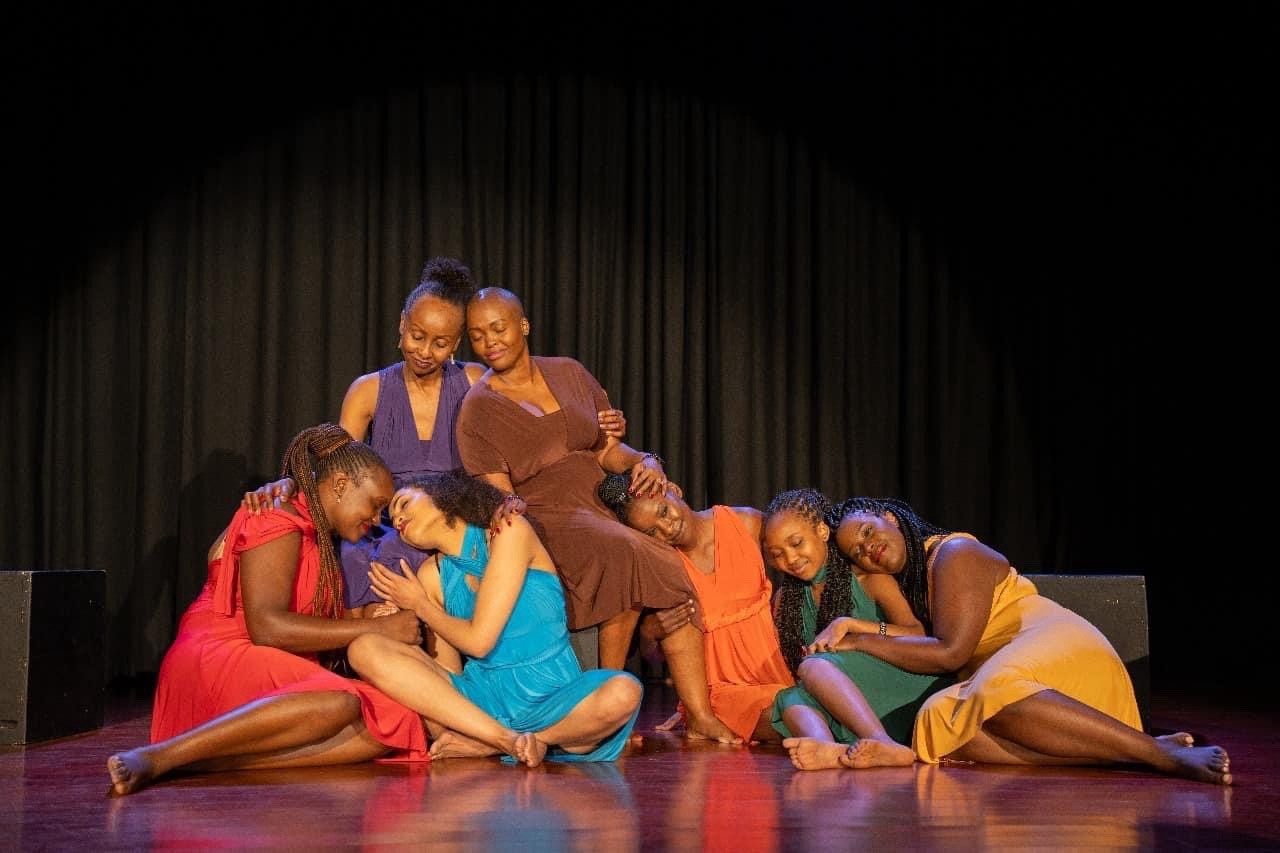
The flagship artistic intervention within the initiative was For Colored Girls Who Have Considered Suicide / When the Rainbow Is Enuf by Ntozake Shange, staged as part of a wider architecture of performances, debates, discussions, PR campaigns, and new script development designed to confront violence, silence, and structural injustice in public.
Public field
A large civic audience gathered in Mombasa as Silenced No More moved beyond the theatre and into shared public space — visible evidence of the project’s reach, atmosphere, and audience pull.
Institutional support
Trusted by public institutions
Presented with the Royal Danish Embassy in Nairobi and the European Union in Kenya, with support from the Danish Agency for Culture and Palaces.
European Union Royal Danish Embassy Nairobi
 Danish Agency for Culture and Palaces
How to read this page
Platform first. Production inside it.
Silenced No More was the public platform. For Colored Girls was the flagship artistic intervention inside it.
At its core, the project used theatre not as decoration, but as a social instrument: a way to create awareness, provoke dialogue, and challenge silence around SGBV and FGM. Through performances in Nairobi, Kisumu, and Mombasa, the initiative opened space for panel discussions, community reflection, and wider public engagement.
The project also included cultural exchange activities, masterclasses, and workshops between Denmark and Kenya, while a core creative team in Kenya worked toward the development of a new original play, SILENCED, rooted in Kenyan realities and focused on the impact of FGM and sexual and gender-based violence.
Beyond the stage, Silenced No More extended into outreach and sensitisation: local partner visibility at venues, public-facing dialogue, and digital campaign work aimed at broadening the conversation. The goal was not only to present performances, but to foster understanding, provoke discussion, and support cultural change around women’s rights, girls’ safety, and bodily dignity.
2,032 participants
85% youth
9 performances
Nairobi · Kisumu · Mombasa
Measured through performances, public sessions, and site-based engagement.
A decisively youth-facing project rather than a closed institutional exercise.
Nairobi, Kisumu, Mombasa, Embakasi, and Chandaria Hall / university-facing encounters.
Theatre, keynote framing, post-show exchange, and wider public conversation.
Diplomatic and public witness
Seen, opened, and publicly held
The initiative was publicly opened, witnessed, and amplified through the presence of diplomatic representatives, university leadership, civic audiences, and strategic collaborators, giving the project both artistic force and institutional visibility.
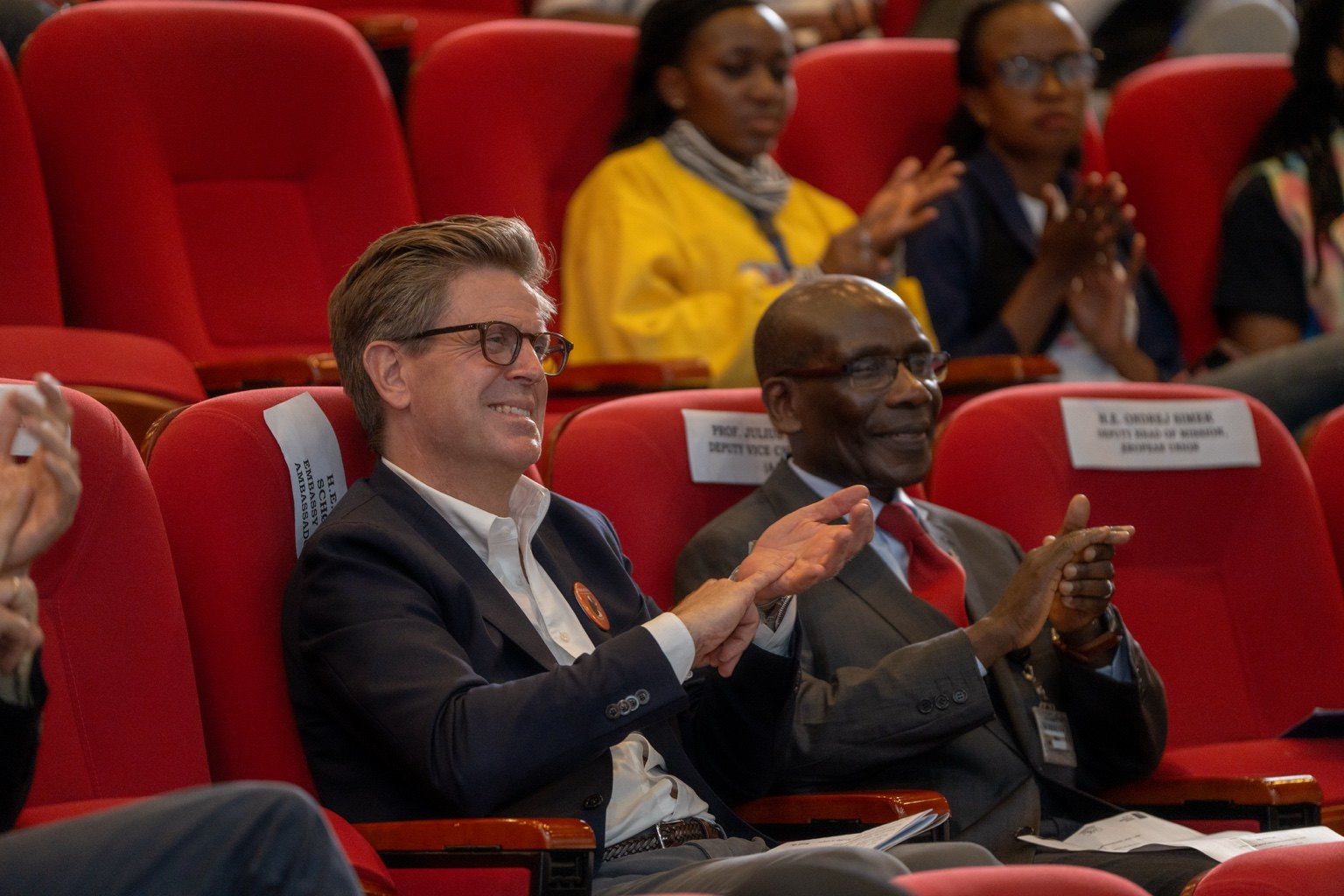 H.E. Stephan Schønemann and Vice Chancellor Prof. Julius Ogeng’o watching the performance at the University of Nairobi as part of Silenced No More.
Public voice
Openings, keynotes, and the room before the room
Silenced No More was framed publicly before and around the performance itself. The introduction mattered. The keynote mattered. The way a room was convened mattered.
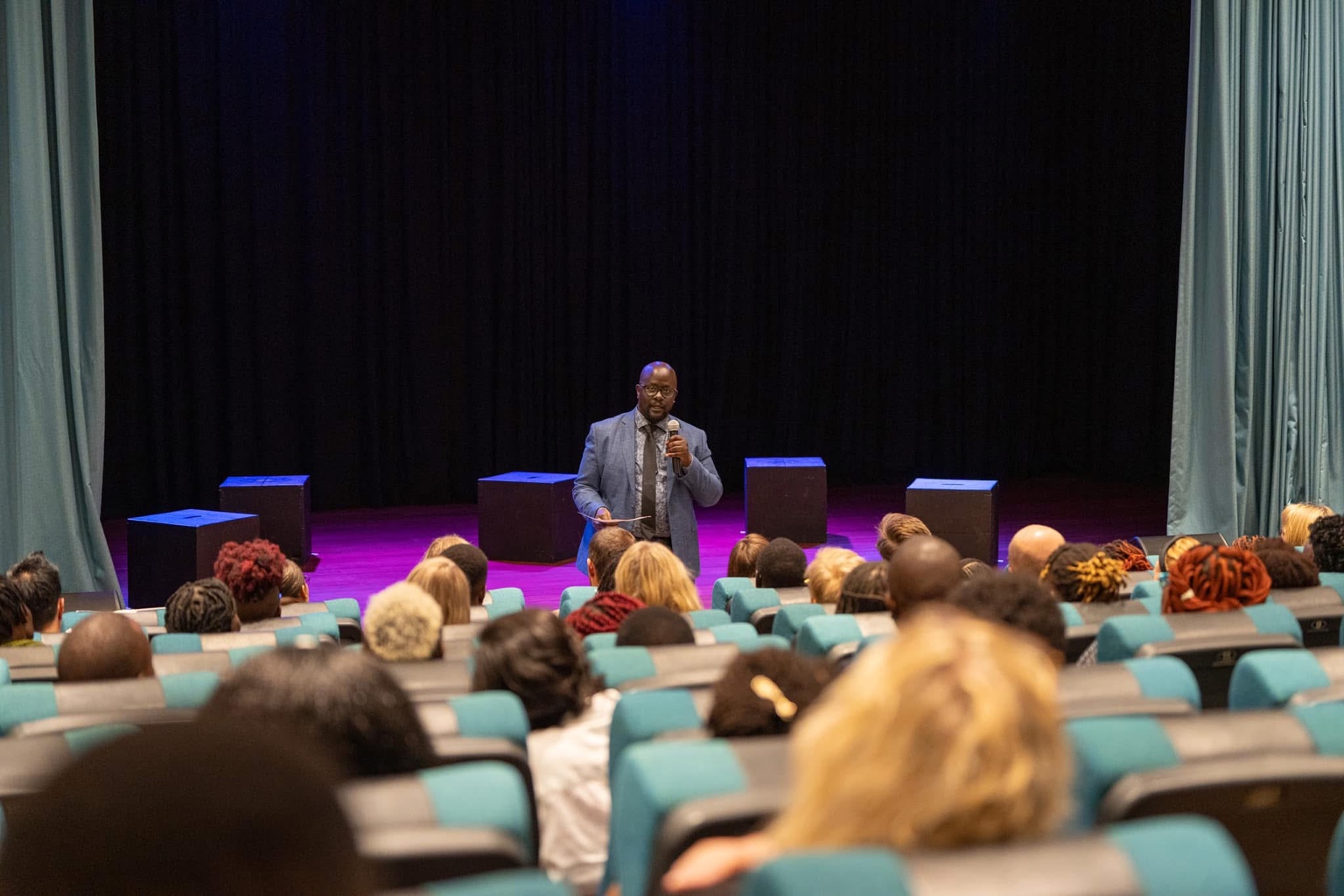
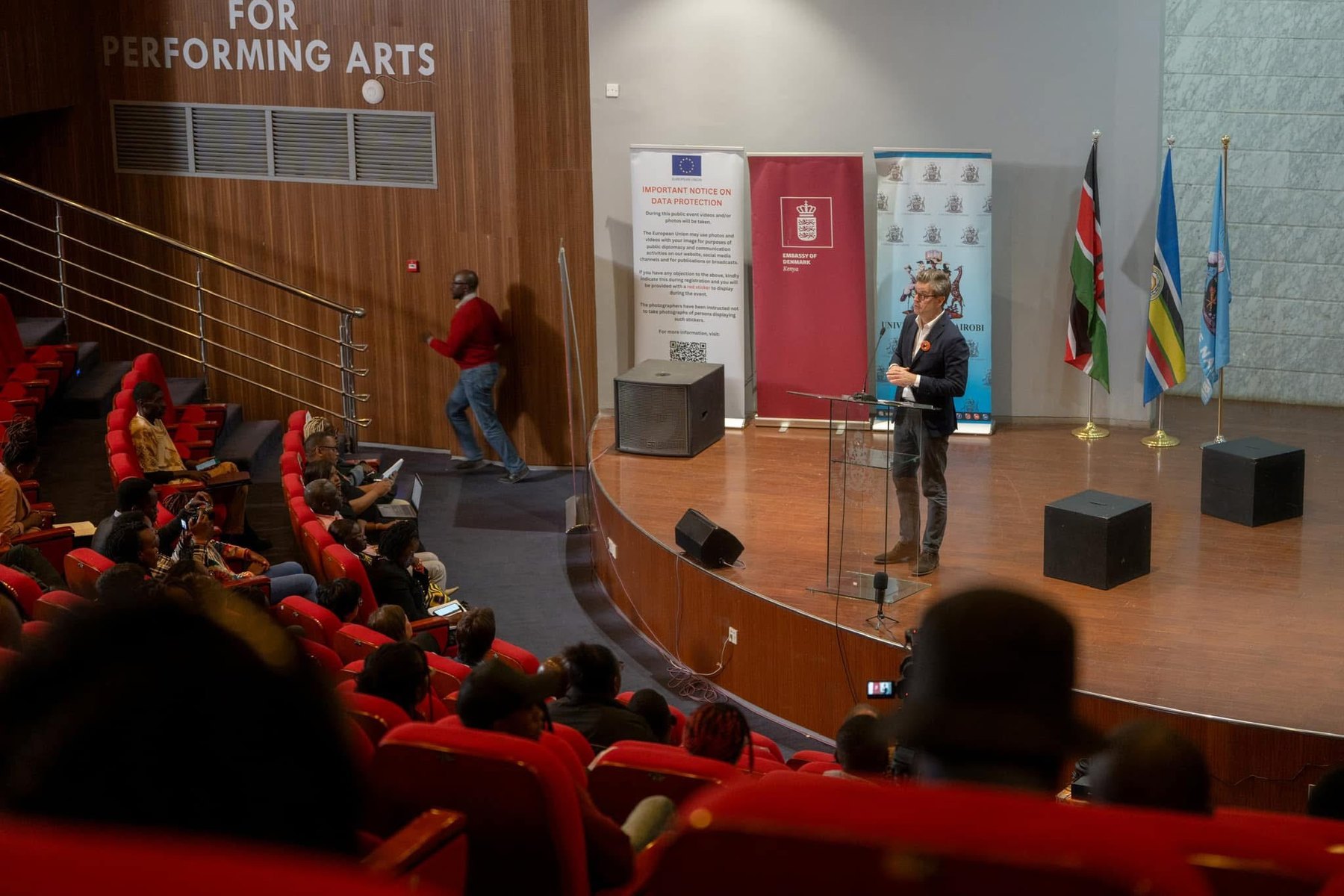
Before the performance fully unfolded, the project was publicly framed. Michael Omoke opened the evening from within the artistic vision of the work, while diplomatic and institutional voices placed the event inside a wider civic conversation. At the University of Nairobi, Silenced No More was received not only as theatre, but as a public act of dialogue.
Cities and publics
From Nairobi halls to Mombasa heat
The project moved between different temperatures of audience: formal university settings, embassy-backed presentation environments, and large, festive public gatherings in coastal heat.
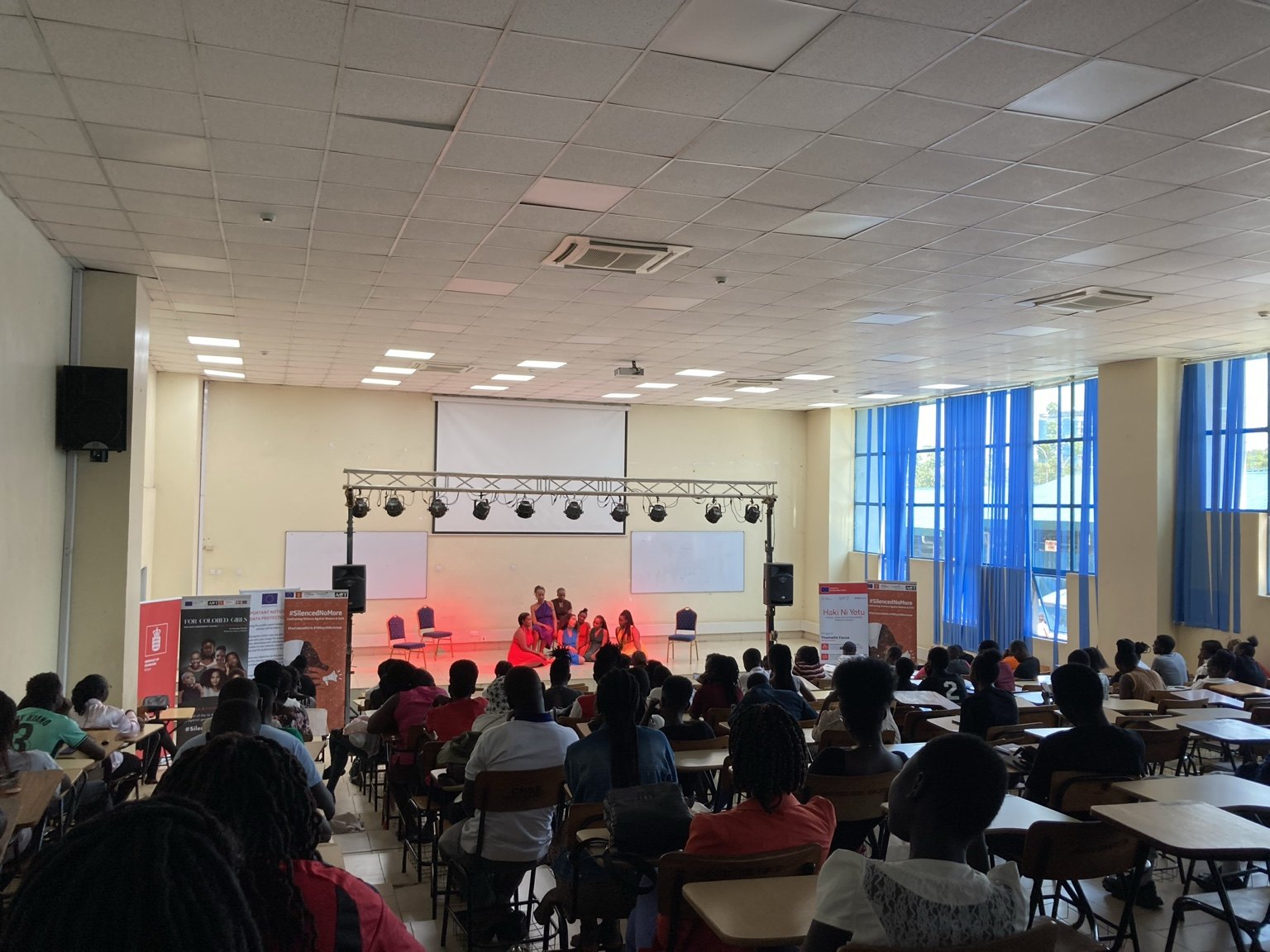
Kisumu
University students encountering the work in an educational setting where performance became a direct social prompt, not a distant cultural object.
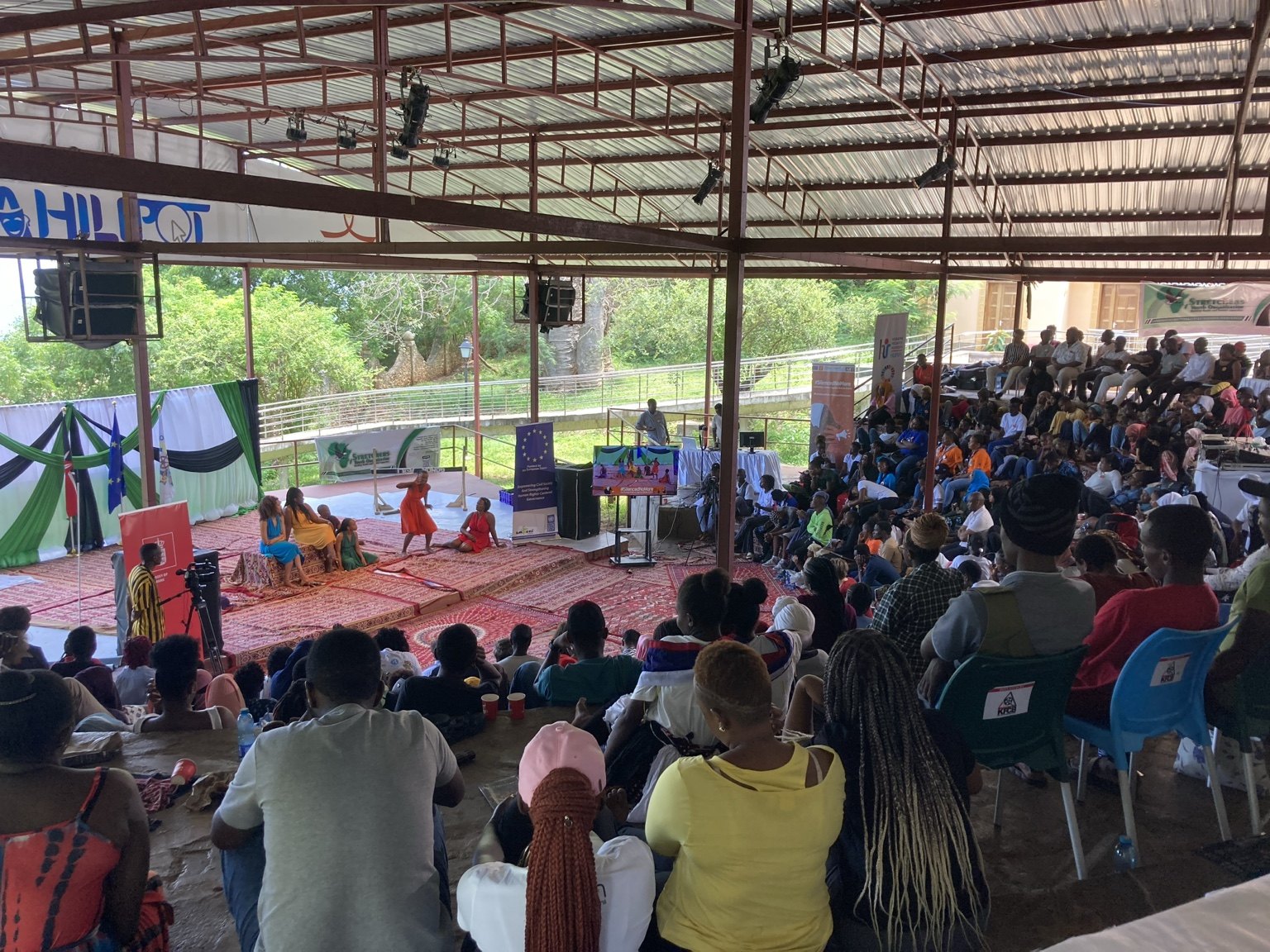
Mombasa
A hot, festive public atmosphere: open air, broad crowd energy, and theatre moving into a visibly social space rather than remaining inside a formal black box.
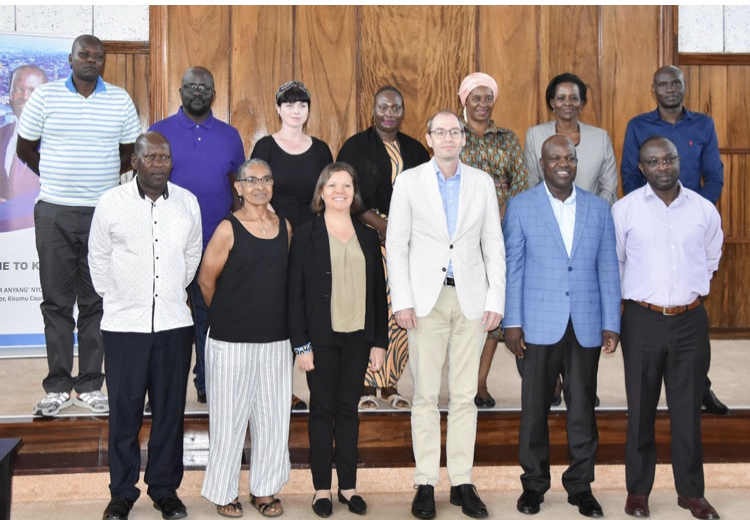
County-level recognition in Kisumu
Received at the Office of the Governor of Kisumu under H.E. Prof. Peter Anyang’ Nyong’o, with county officials, Ondrej Simek, EU Deputy Ambassador to Kenya, and Dr. Mathew Ochieng Owili, Deputy Governor of Kisumu County.
Transnational artistic frame
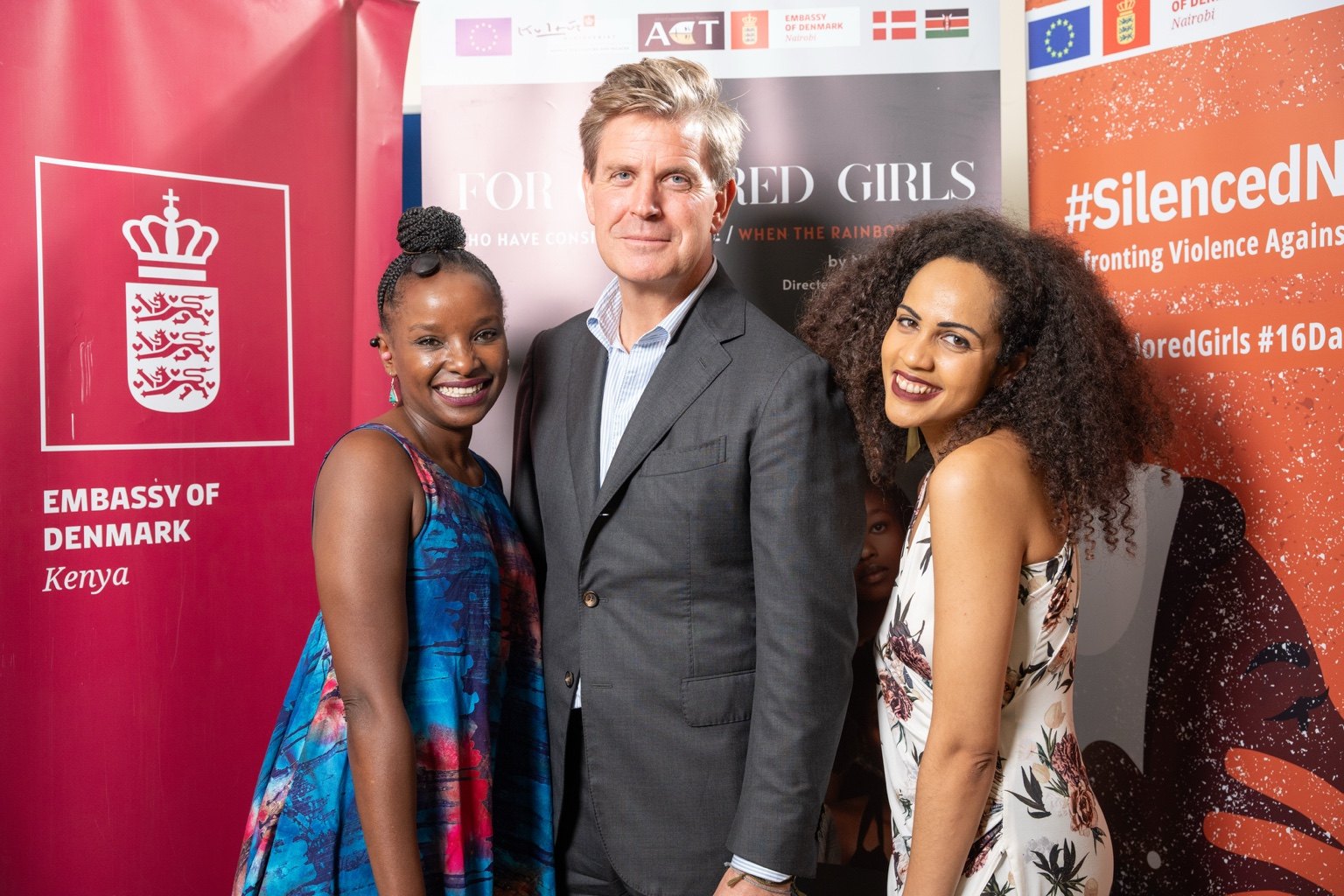
A Danish–Kenyan cast ecology
The project was held not only by institutions, but by people: actors, organisers, public figures, and collaborators moving between Kenya and Denmark.
Moving image archive
Platform in motion
Three linked clips: one from the artistic core, two from the public field around it.
After the show
Festive, social, and still serious
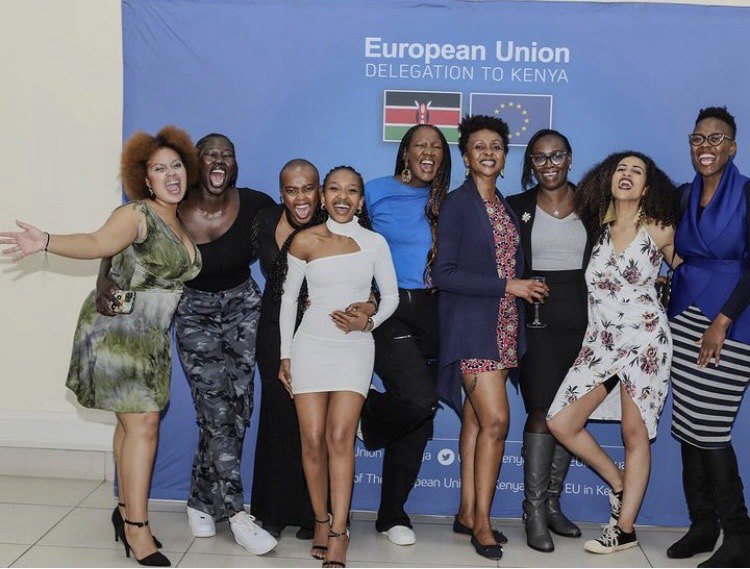
Silenced No More carried weight without becoming stiff. That balance matters. The project could hold urgency and still feel alive: cast gathering after the show, audiences lingering, institutions visible but not choking the atmosphere, and theatre operating as both witness and invitation.
This is the layer that turns an arts event into a platform: not only the production image, but the social afterlife around it.
Silenced No More was developed in visible partnership with the Royal Danish Embassy in Nairobi and the European Union in Kenya, with additional funding support from the Danish Agency for Culture and Palaces. This distinction matters: the project was both institutionally partnered on the ground and culturally supported through Danish public funding.