Watch the TrailerFor Colored Girls… / Silenced No More
Silenced No More · Artistic work
For Colored Girls
i dont wanna write /
in english or spanish /
i wanna sing /
make you dance / scream
For Colored Girls Who Have Considered Suicide / When the Rainbow Is Enuf moved through Silenced No More in Kenya with a hotter pulse: our whole body /
wrapped like a ripe mango /
ramblin whippin thru space /
push your leg to the moon with me
Fragments of the choreopoem
i usedta be in the world /
a woman in the world /
i hadda right to the world
i cant be nice to nobody /
nice is such a rip-off /
regular beauty & a smile in the street /
is just a set-up
women relinquish all personal rights /
in the presence of a man /
who apparently cd be considered a rapist /
especially if he has been considered a friend
Multimedia dossier
A Choreopoem Becomes a Public Reckoning
Watch the trailer. A cinematic glimpse into the performance that carried Silenced No More from stage into public dialogue in Kenya — through testimony, colour, movement, and collective witness.
Kenya16 Days of ActivismUniversitiesEU DelegationDanish EmbassyPublic dialogue
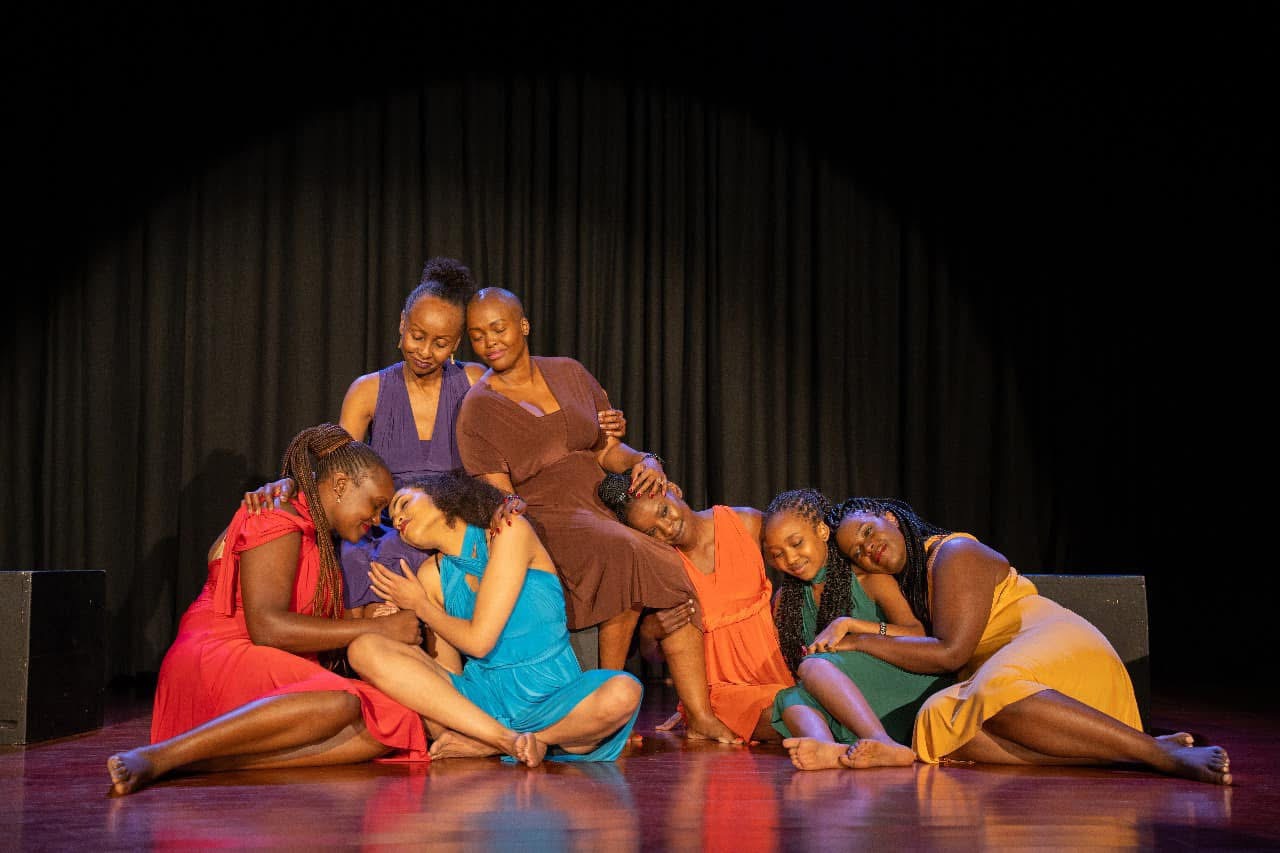
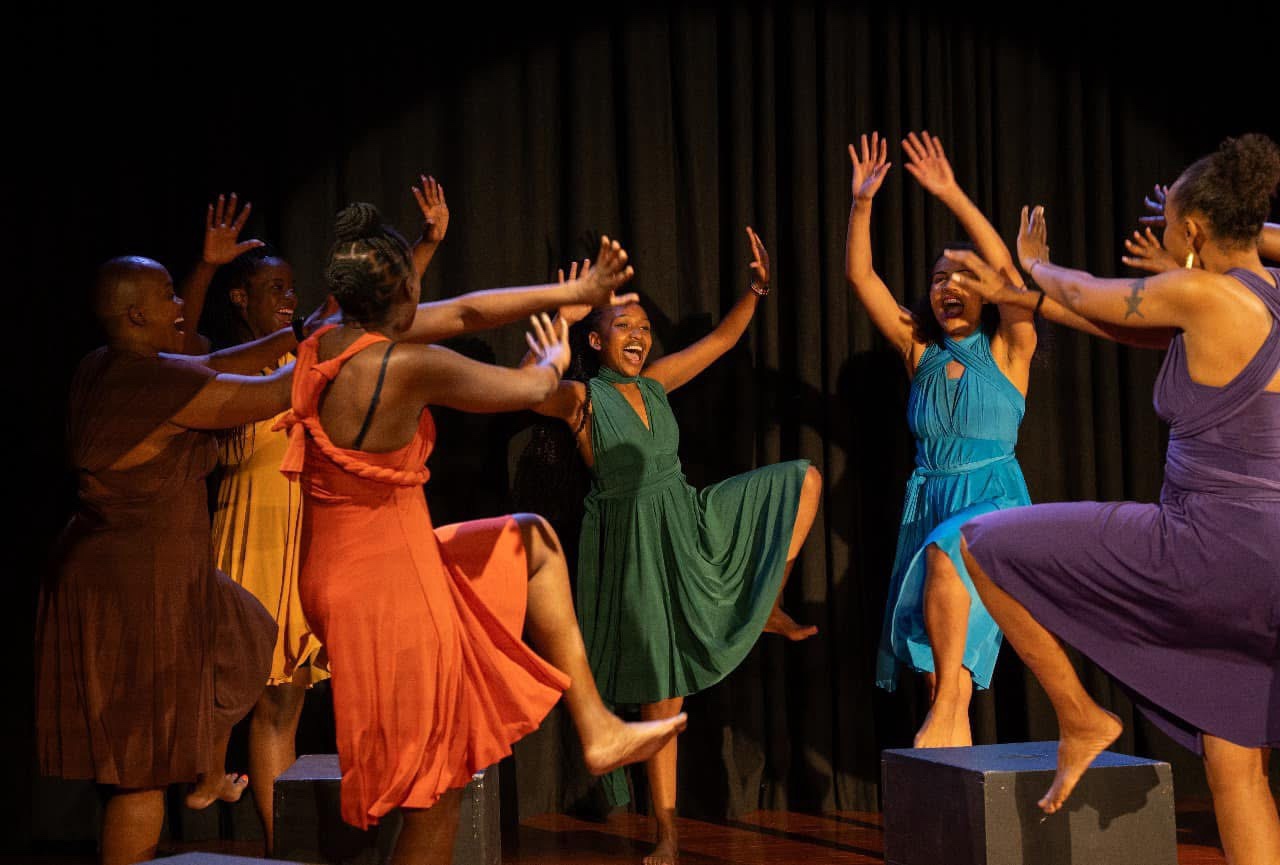
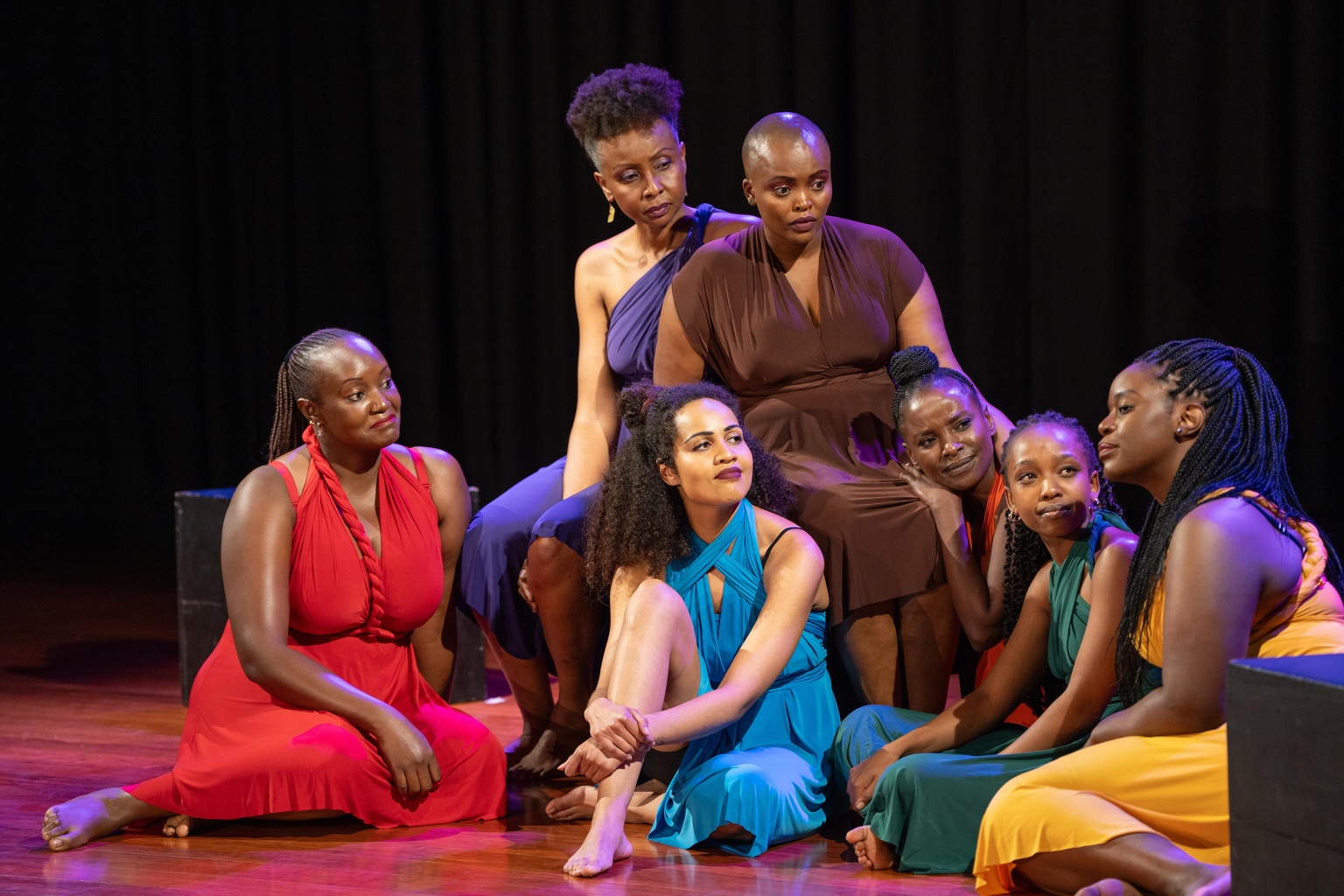
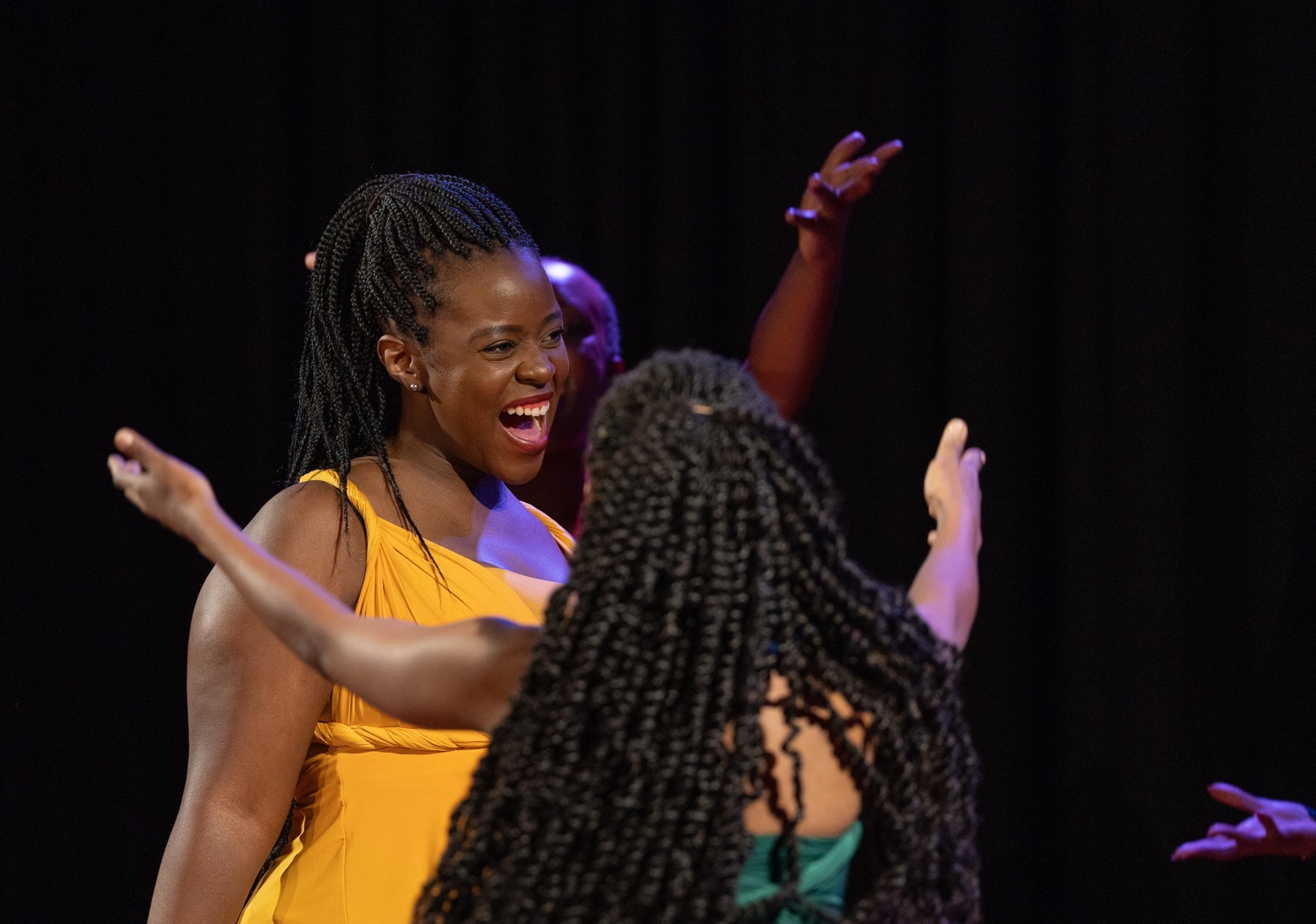
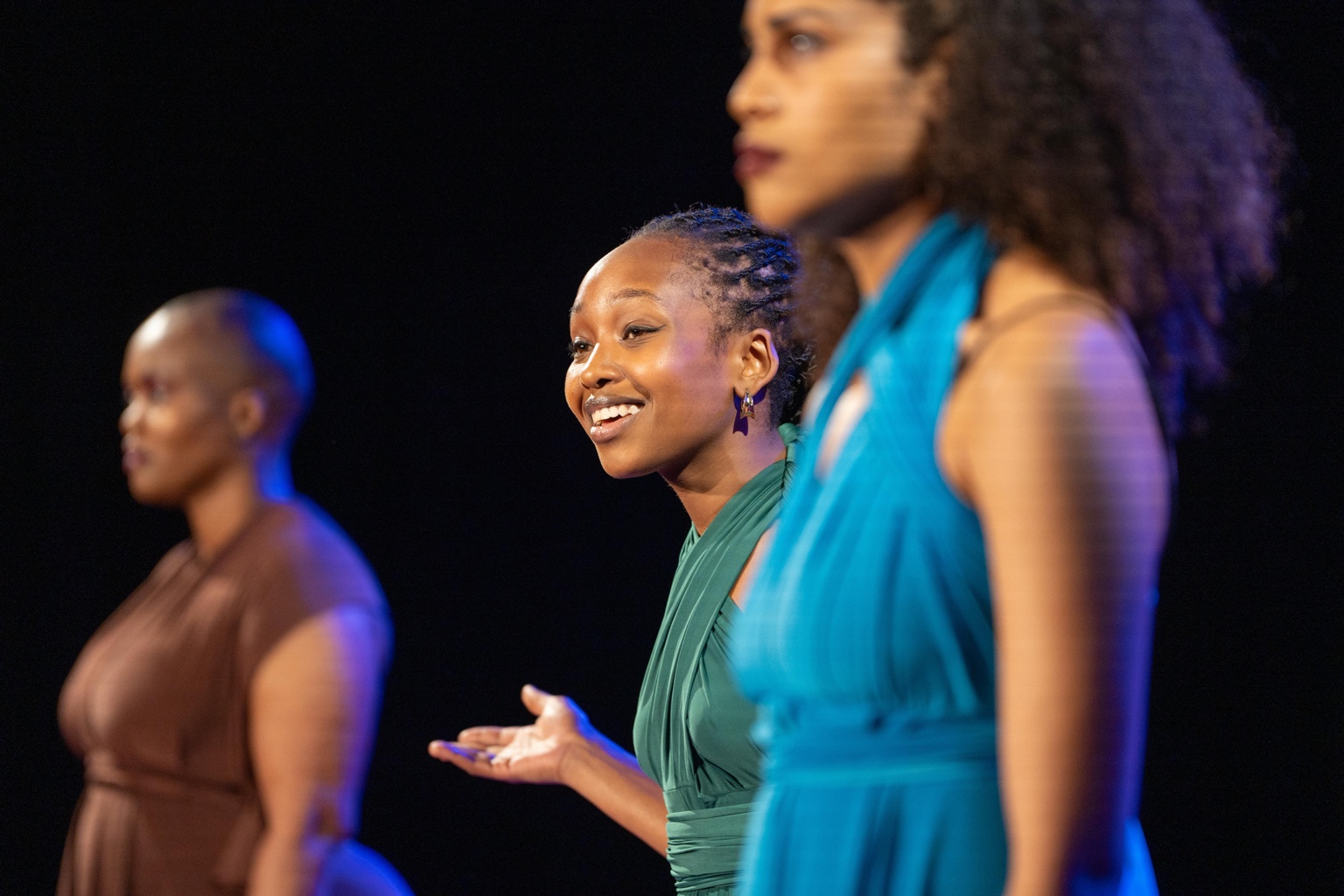
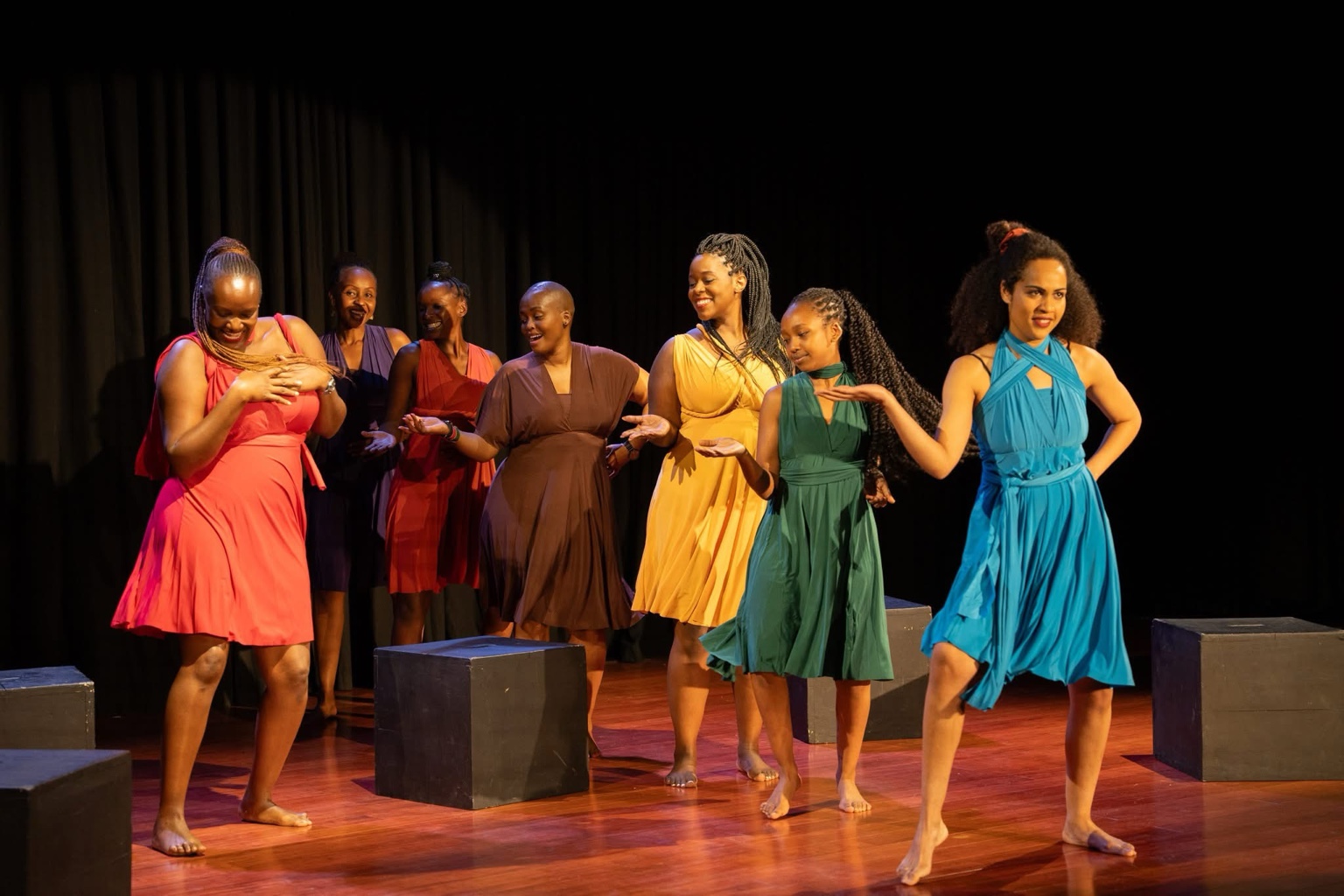
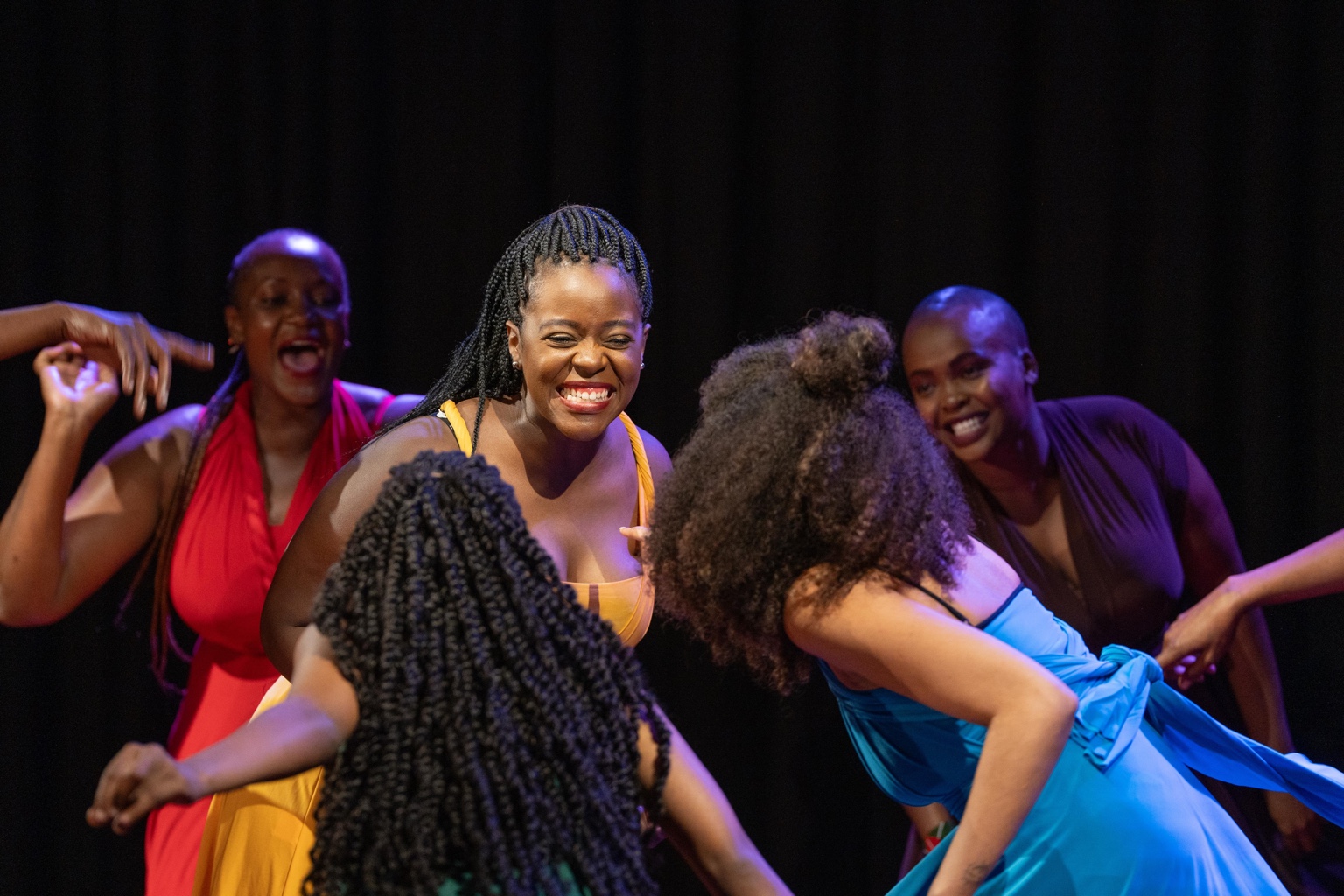
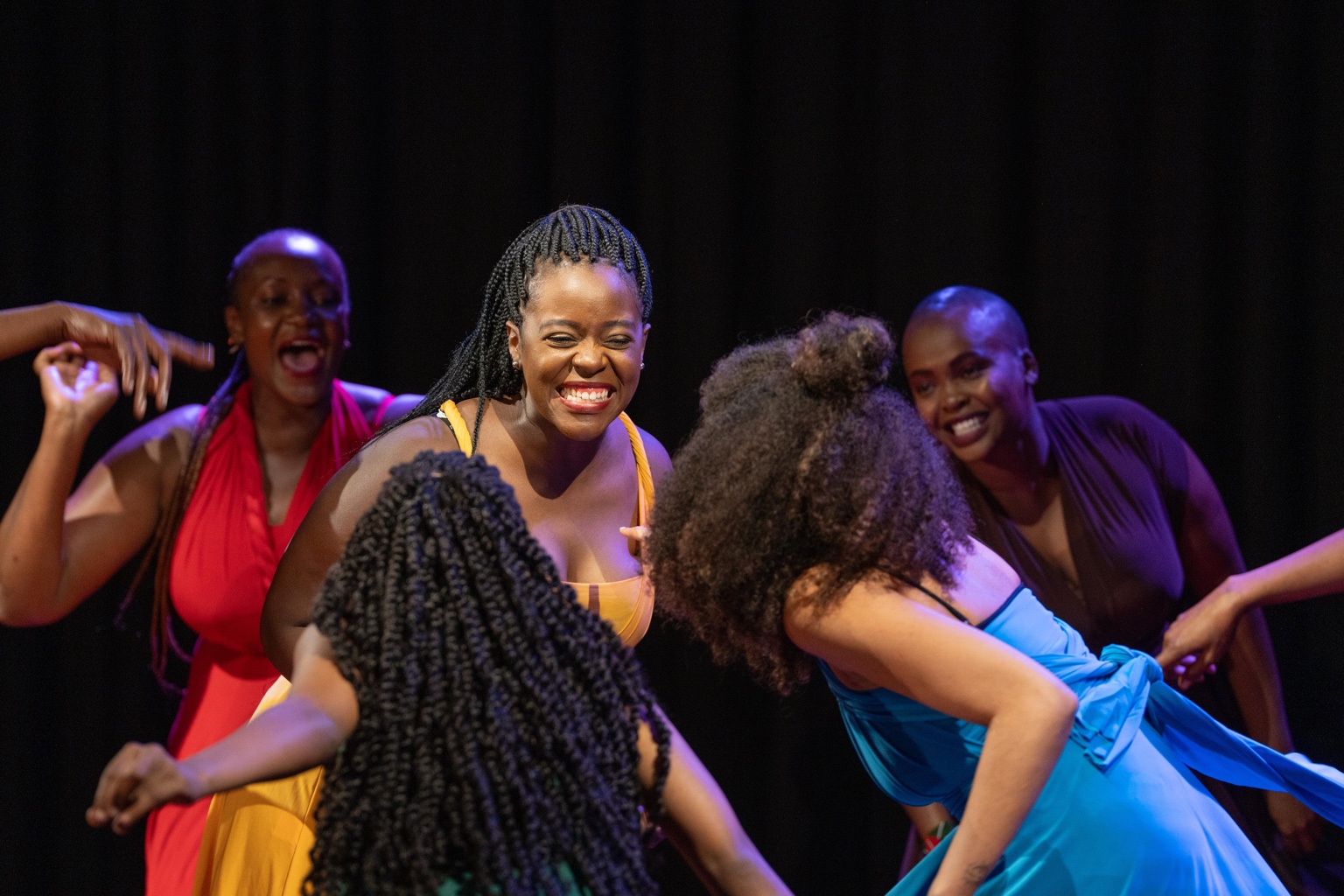
The ensemble holds the stage as a charged field of colour, breath, and collective presence.
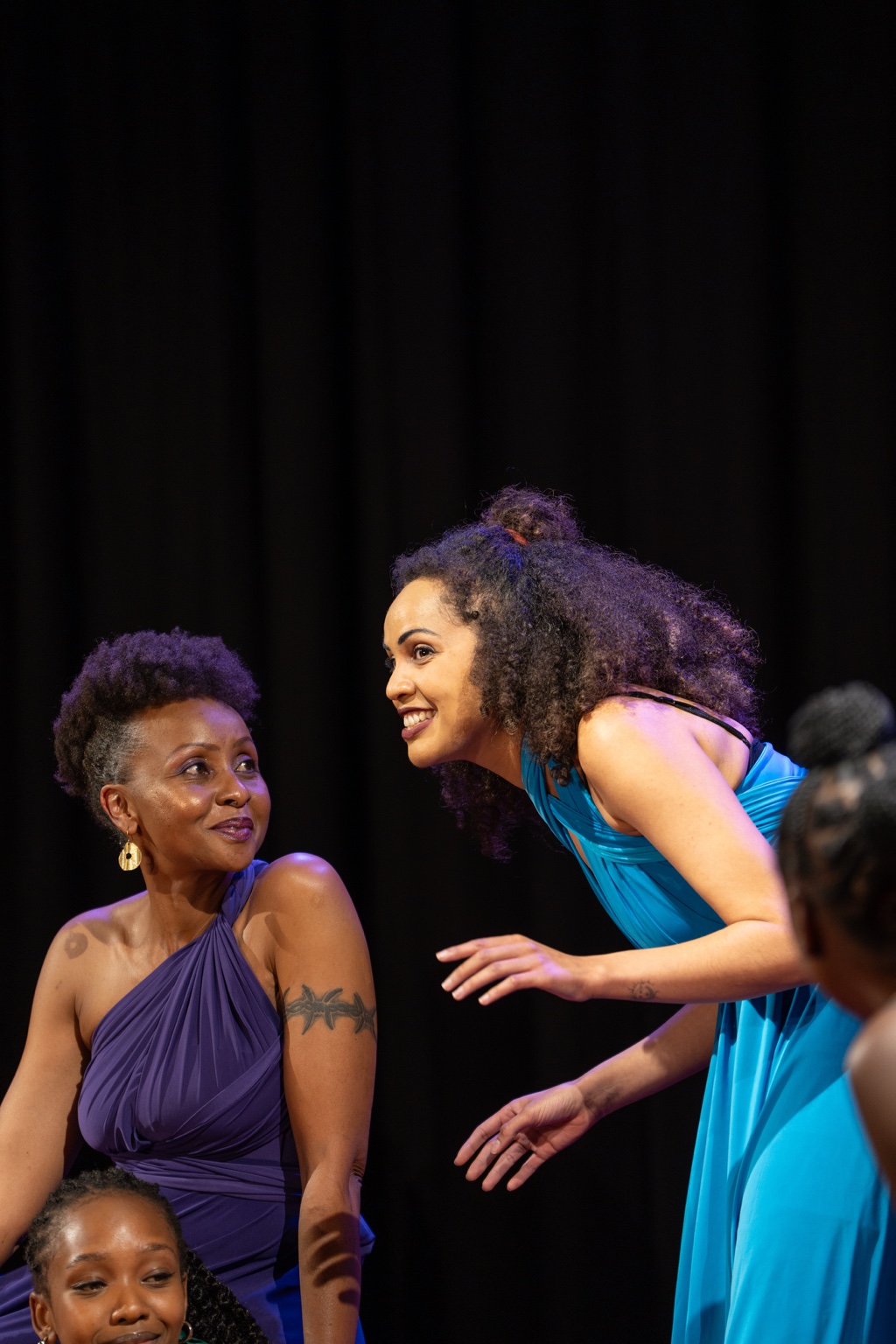
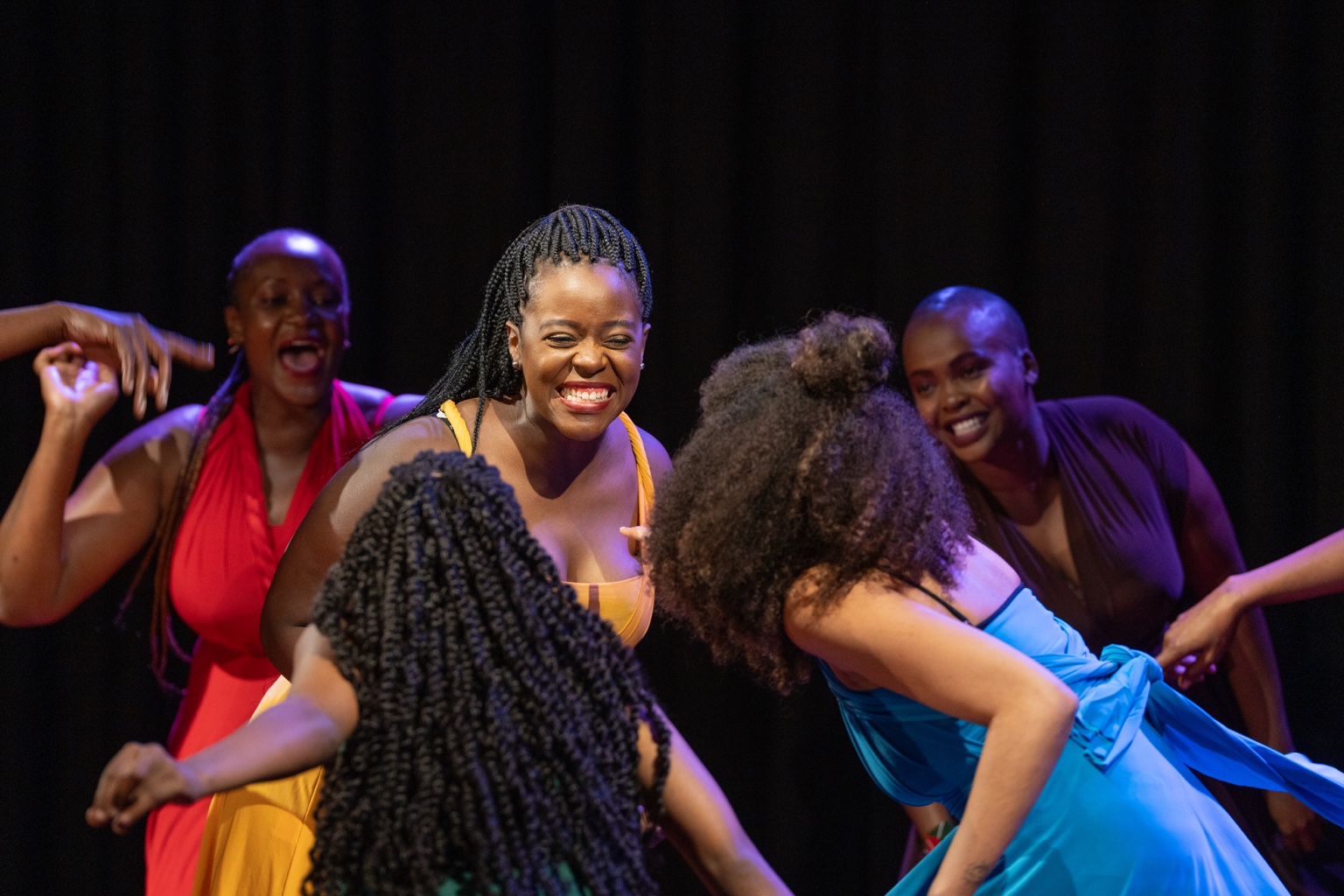
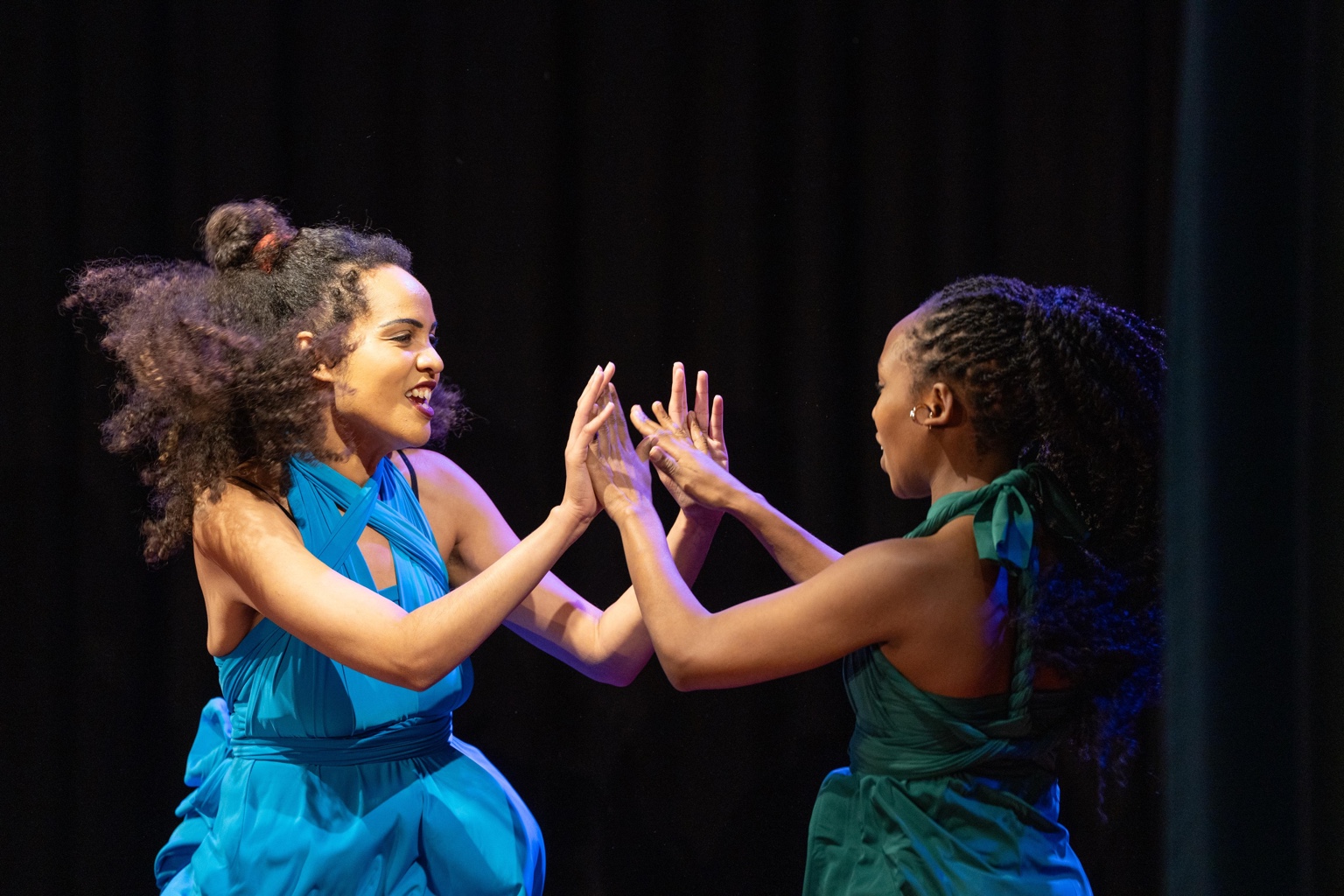
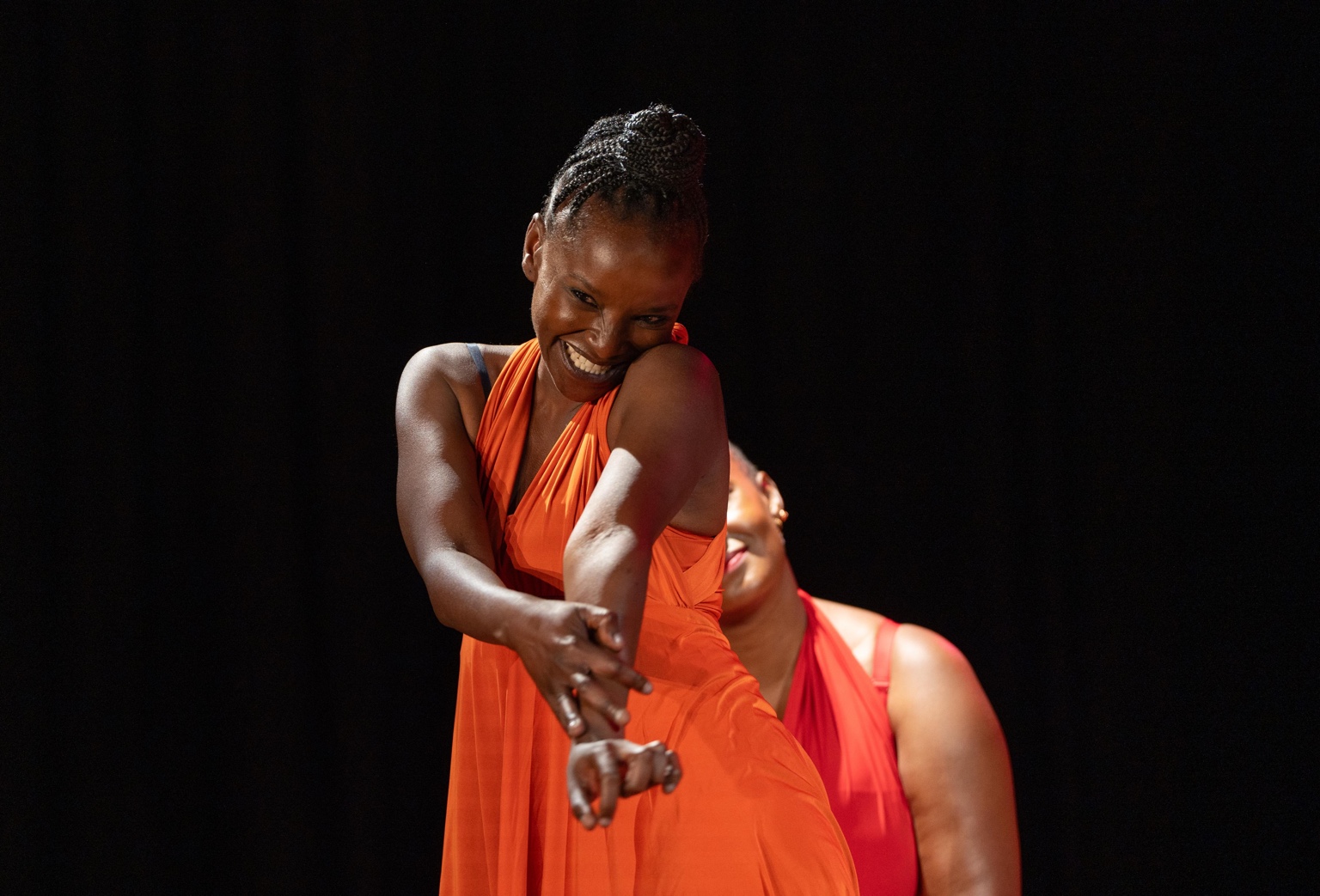
Small gestures become the architecture of care: hand, glance, listening, return.
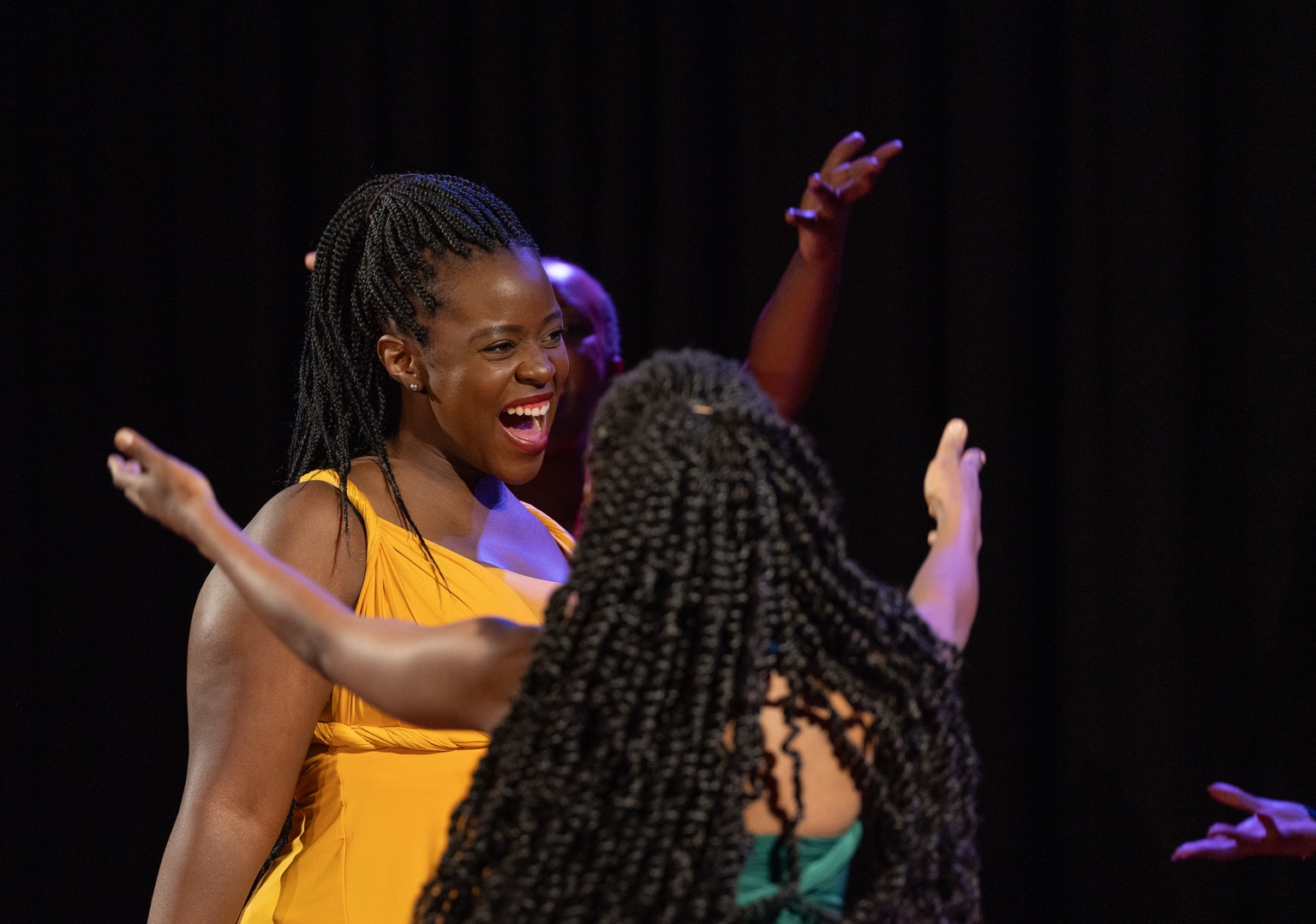
The performance moves from wounded testimony into embodied refusal and release.
a woman in the worlddance / screamripe mango bodyno more niceraw witnessby invitation / a frienda woman in the worlddance / screamripe mango bodyno more niceraw witnessby invitation / a friend
Scene one
Whole body, no apology
our whole body /
wrapped like a ripe mango /
ramblin whippin thru space /
swing your head /
push your leg to the moon with me
Scene two
No more nice
i cant be nice to nobody /
nice is such a rip-off /
regular beauty & a smile in the street /
is just a set-up
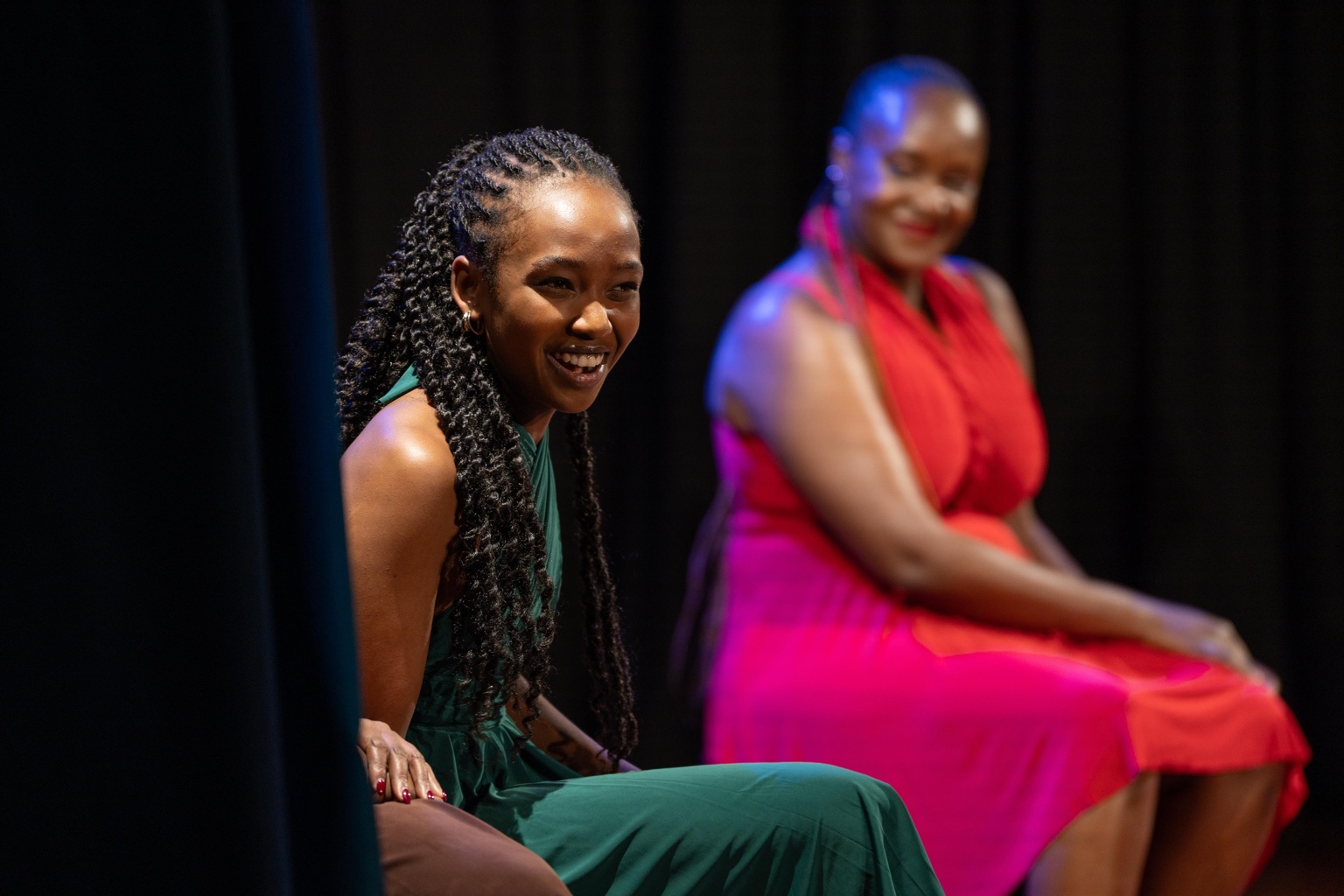
a friend is hard to press charges against /
if you know him /
you must have wanted it /
a misunderstanding /
you know /
these things happen
women relinquish all personal rights /
in the presence of a man /
who apparently cd be considered a rapist /
especially if he has been considered a friend
Scene three
A woman in the world
i usedta be in the world /
a woman in the world /
i hadda right to the world /
for the set-up /
a universe /
six blocks of cruelty
Scene four
Dance / scream / refuse
i wanna sing /
make you dance /
like the bata /
dance /
scream
Special photographic credit
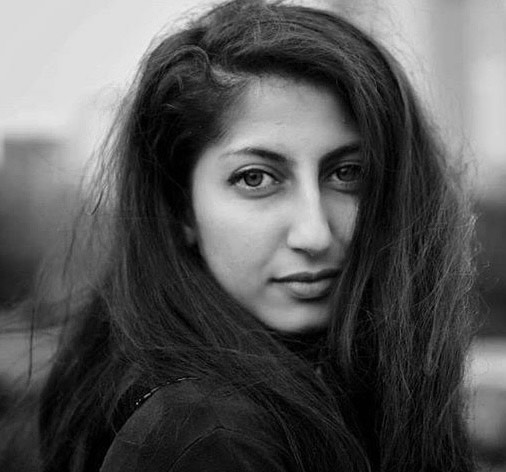
Saiba Sehmi
Project Photographer
Saiba Sehmi’s photographic eye holds the production with unusual calm and intimacy. Her images do not simply record stage action; they preserve atmosphere, relation, and the quiet voltage between women before gesture becomes event.
This page carries her presence with intention. The production’s sensual visual memory owes much to the softness, precision, and compositional intelligence of her lens.
Credits
Cast & creative team
The stage ensemble and the women who helped shape the work around it.
Actors
- Lady in Brown
- Mbeki Mwalimu
- Lady in Purple
- Nini Wacera
- Lady in Blue
- Rebecca Langley
- Lady in Yellow
- Melissa Kiplagat
- Lady in Red
- Marianne Nungo
- Lady in Orange
- Wanjiku-Victoria Seest
- Lady in Green
- Tana Gachoka
Core production
- Executive Producer · Artistic Director
- Michael Omoke
- Director
- Cheryl J. Williams
- Assistant Producer
- Anna Marie B. Skanborg
- Director of Logistics
- Julisa Rowe
- Assistant Logistics
- Sakina Mildred
- Choreographer
- Ondiegi Mathew
- Lighting Designer
- Charles Stephen
- Costume Director
- Vicki L. Jones
Visual & communications
- Project Photographer
- Saiba Sehmi
- Social Media
- Ramya Sehmi
- Graphic Designer
- Aïcha E. Haidara
- Public Relations
- Angela Mutegi
- Web Developer
- Elisha Ngoma
Women around the work
Extended creative circle
Five women whose work helped frame how the production was seen, carried, and encountered in the world beyond the stage image itself.
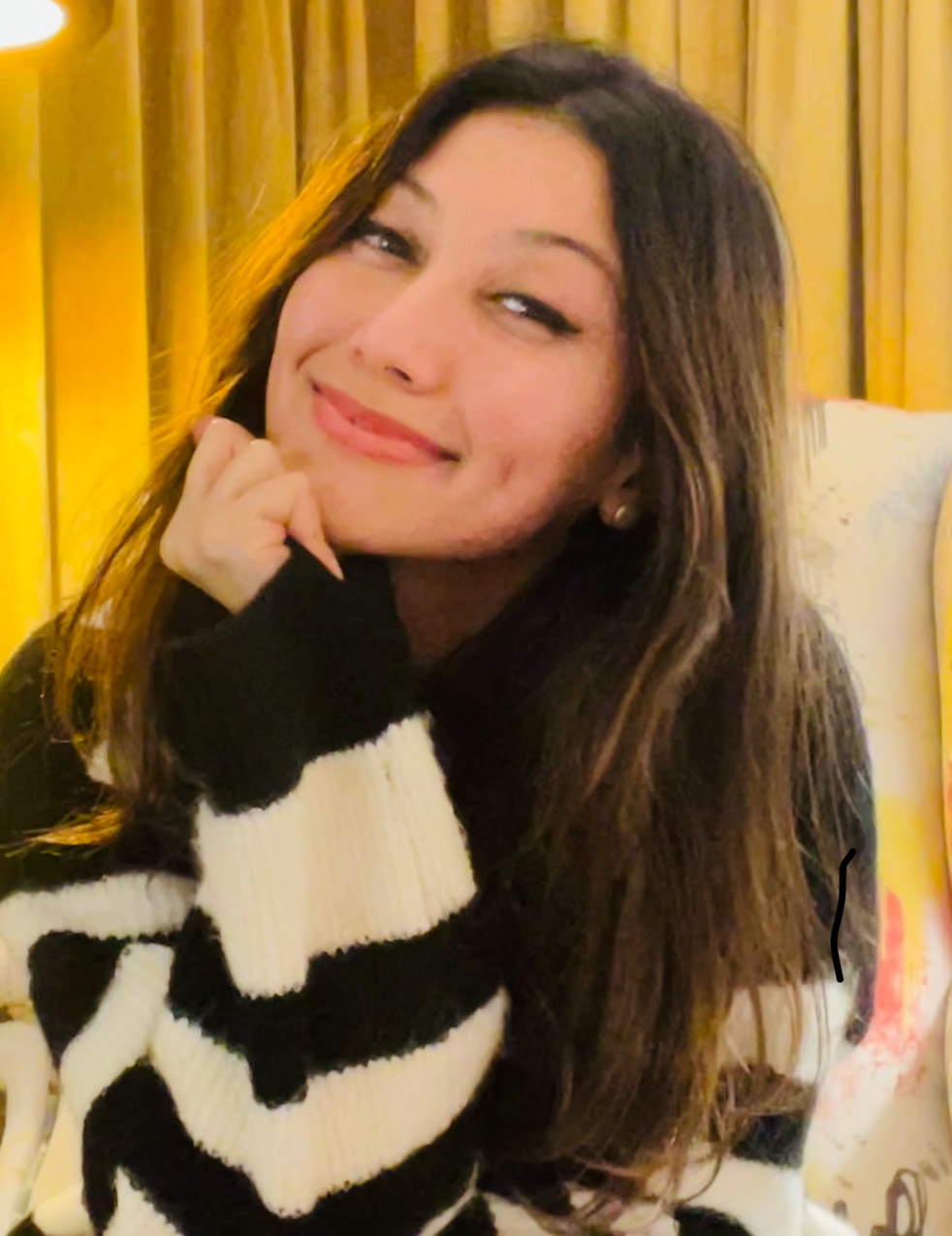
Ramya Sehmi
Social Media
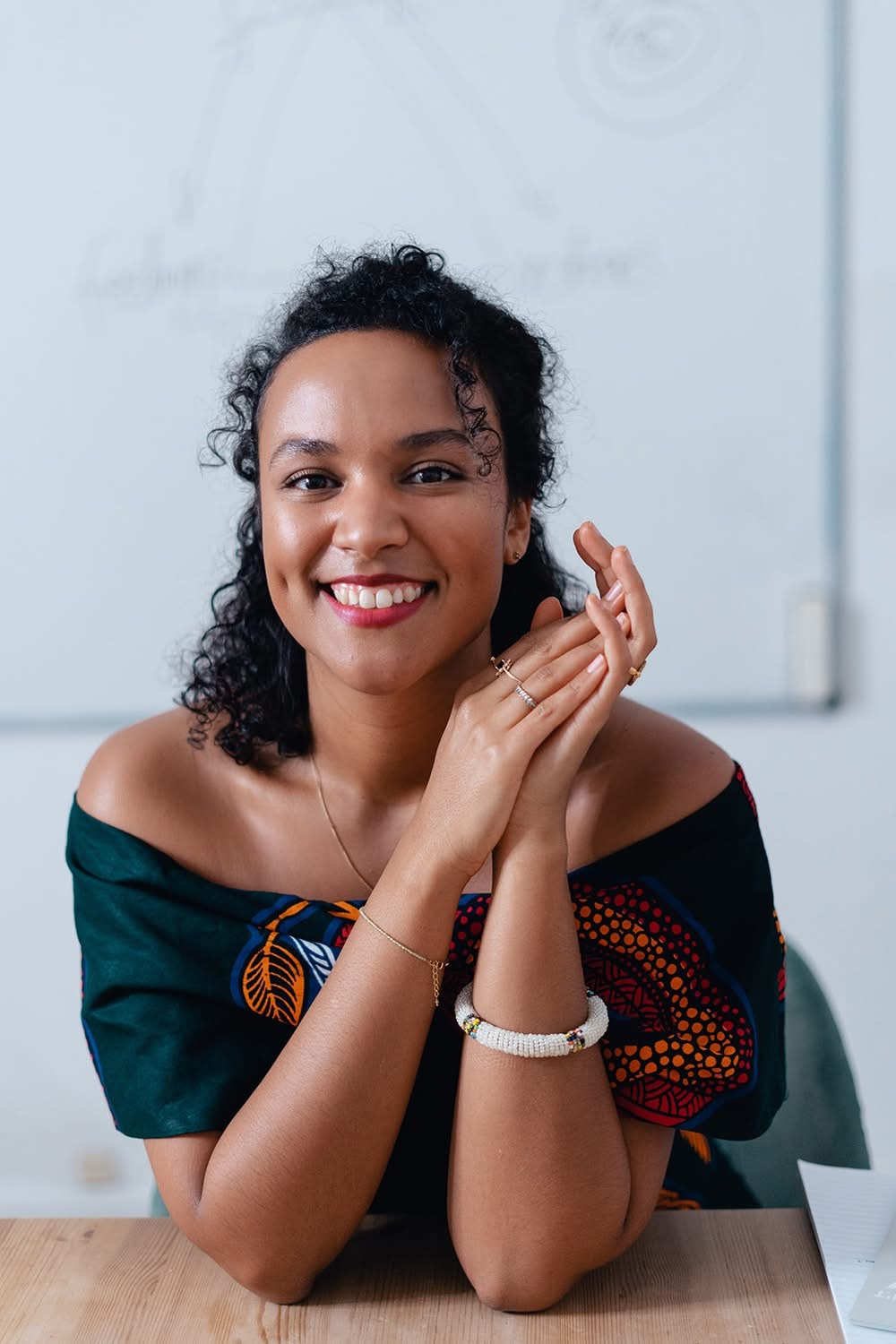
Aïcha E. Haidara
Graphic Designer
Angela Mutegi
Public Relations

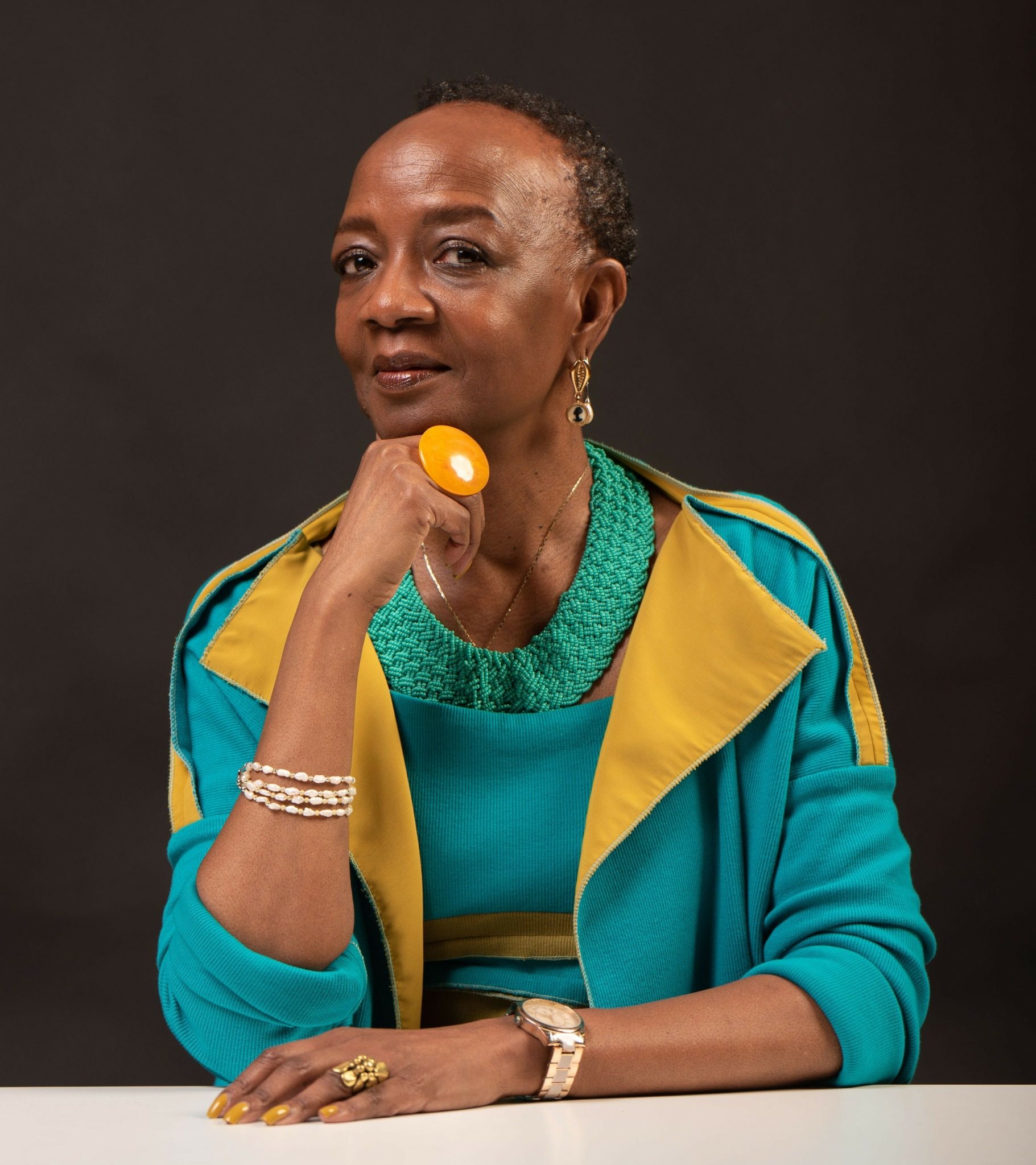
Vicki L. Jones
Costume Designer